U.S. Customs to Launch Tariff Refund System in 45 Days
The U.S. Customs and Border Protection agency has confirmed that its new automated tariff refund system will be operational within the next 45 days, aiming to streamline processes for importers.


The U.S. Customs and Border Protection agency has confirmed that its new automated tariff refund system will be operational within the next 45 days, aiming to streamline processes for importers.
Canadian Minister Dominic LeBlanc is set to meet U.S. Trade Representative Greer in Washington as Ottawa prepares for the upcoming review of the Canada-U.S.-Mexico Agreement, focusing on trade priorities.

Employees at Saskatchewan's trade office in Dubai have been instructed to work from home due to unspecified security alerts, highlighting international operational challenges for the province.
Attorneys general from New York and Oregon lead a coalition of states filing a lawsuit challenging President Trump's 10% tariff on imports, arguing it violates trade law.

Shared lists with real-time sync. No signup needed — just open and shop together.
Recommended
New data shows how Trump's tariffs have transformed Canada's economic relationship with the U.S., turning integration into vulnerability and causing significant trade disruption.

More than twenty US states have filed a lawsuit challenging former President Donald Trump's new global tariffs, imposed following a significant Supreme Court defeat. The legal action highlights ongoing political and economic tensions.

Intergovernmental Affairs Minister Dominic LeBlanc is set for Washington talks following former Bank of Canada Governor Mark Carney's critique that U.S. tariffs have 'broken' the Canada-U.S.-Mexico Agreement, escalating trade tensions.
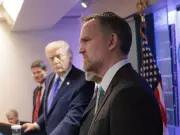
The 2026 U.S. Trade Policy Agenda delivered by Trade Representative Jamieson Greer indicates President Trump will intensify tariff use as a core economic and geopolitical strategy, marking a shift from previous years.
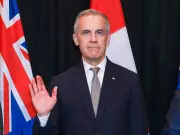
Prime Minister Mark Carney's numerous international trade agreements face skepticism as critics question implementation. With $85 billion in deals announced, experts warn paper commitments must translate to real economic benefits for Canadians.
Shared lists with real-time sync. No signup needed — just open and shop together.
Recommended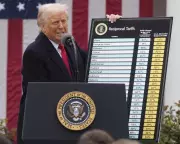
A federal judge has ruled that U.S. companies are legally entitled to refunds for tariffs imposed by former President Donald Trump, which were later invalidated by the Supreme Court.
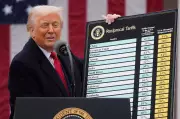
A federal judge has mandated refunds for importers after the U.S. Supreme Court invalidated tariffs imposed by former President Donald Trump, marking a significant legal reversal with economic implications.
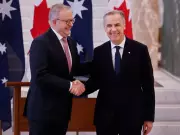
Prime Minister Mark Carney's international trade missions, including recent stops in India and Australia, highlight efforts to diversify partnerships. However, experts argue that Canada's economic future remains tied to the United States, with supply mana

The Port of Churchill in Manitoba has signed a significant trade agreement with a large European port, creating new economic opportunities for Canada's North and enhancing transatlantic shipping routes.
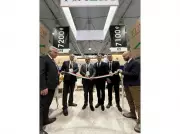
Italy showcased advanced technologies and strengthened commercial bonds with Canada at PDAC 2026, emphasizing collaboration in critical minerals and industrial innovation through high-level bilateral forums.
Shared lists with real-time sync. No signup needed — just open and shop together.
Recommended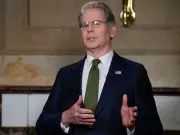
U.S. Treasury Secretary Scott Bessent stated that President Donald Trump's plan to increase tariffs from 10% to 15% will likely be implemented this week, following a Supreme Court ruling that invalidated previous tariff measures.
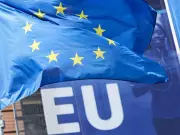
The European Parliament has decided to keep ratification of the EU-U.S. trade deal paused, seeking clarity from Washington on maintaining agreed tariff ceilings amid legal and political turbulence.

Prime Minister Mark Carney has appointed BlackRock economist Glenn Purves as deputy minister of international trade, part of a broader trend of bringing private-sector finance expertise into key government roles.
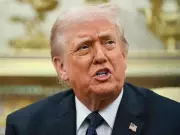
Prime Minister Mark Carney's advocacy for middle-power nations like India faces reality as U.S. leadership dominates global crises, including recent actions against Iran.
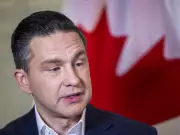
Conservative Leader Pierre Poilievre detailed a trade proposal among Canada, Britain, Australia, and New Zealand to boost economic cooperation and counter protectionism.
Shared lists with real-time sync. No signup needed — just open and shop together.
Recommended
Arctic Gateway Group and Port of Antwerp-Bruges International sign a landmark agreement to enhance trade, focusing on critical minerals, energy, and agricultural products, with potential investments in Churchill.
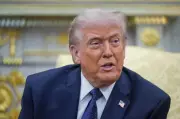
U.S. President Donald Trump declared a total cessation of trade with Spain during a White House meeting, marking a significant shift in international economic relations.
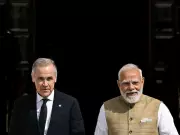
Canadian Prime Minister Mark Carney and Indian Prime Minister Narendra Modi pledged enhanced cooperation in trade, supply chains, and nuclear energy during Carney's landmark visit to New Delhi, marking a reset after years of diplomatic strain.
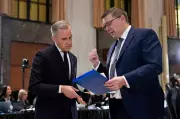
Premier Scott Moe outlines goals for his upcoming trip to India with Prime Minister Mark Carney, focusing on minimizing trade barriers and expanding Saskatchewan's export markets to strengthen economic ties.
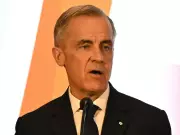
Canadian Prime Minister Mark Carney meets with Indian Prime Minister Narendra Modi to formally launch comprehensive trade agreement negotiations, aiming to repair strained bilateral relations.
Shared lists with real-time sync. No signup needed — just open and shop together.
Recommended
Finance Minister Francois-Philippe Champagne states both nations are committed to negotiating a comprehensive free-trade agreement, highlighting economic cooperation amid diplomatic engagements.
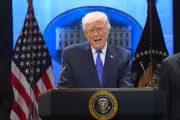
An expert from Western University's Ivey Business School raises significant doubts about the potential refunding of tariff revenue collected under Trump's policies, highlighting ongoing economic uncertainties.

London Mayor Josh Morgan convened a panel with business leaders to address how trade disruptions affect local communities ahead of CUSMA renegotiations.
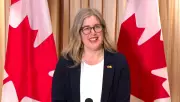
New Brunswick Premier Holt embarks on a four-day trade mission to India, seeking to strengthen economic partnerships and highlight the province's unique offerings in a bid to boost international trade.
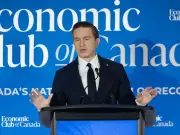
Conservative Leader Pierre Poilievre will travel to London and Berlin next week for his first international trip as opposition leader, focusing on trade discussions and strengthening international partnerships.
Shared lists with real-time sync. No signup needed — just open and shop together.
Recommended
China has announced the suspension of certain tariffs on Canadian canola and seafood imports, a move that follows a diplomatic visit by former Bank of Canada Governor Mark Carney. This decision marks a significant step in easing trade tensions between the
