Federal Judge Mandates Refunds Following Supreme Court Ruling Against Trump-Era Tariffs
A federal judge has ordered the U.S. government to issue refunds to importers after the Supreme Court struck down tariffs implemented by former President Donald Trump. This decision represents a major legal and economic development, overturning a key aspect of Trump's trade policy that had been in place since 2025.
Supreme Court Invalidates Controversial Tariff Measures
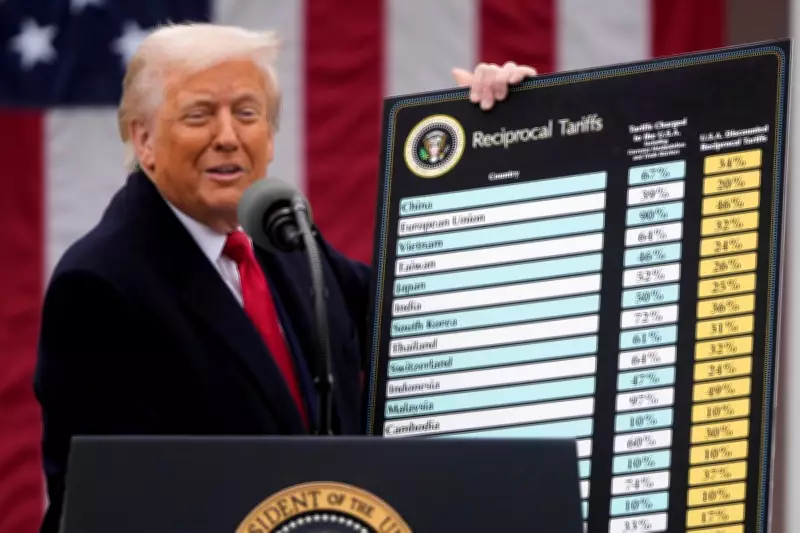
The U.S. Supreme Court ruled that the tariffs, announced by Trump in April 2025 during a White House event, were unconstitutional. The court found that the executive branch overstepped its authority in imposing these duties without proper congressional approval. This landmark judgment has set a precedent for limiting presidential power in trade matters.
The ruling directly impacts numerous businesses and industries that paid billions in additional import costs under the tariff regime. Legal experts note that this decision reinforces the separation of powers and could influence future trade disputes.

Judge's Order for Immediate Refunds to Affected Importers
Following the Supreme Court's decision, a federal judge has mandated that the U.S. Customs and Border Protection agency process refunds for all tariffs collected under the invalidated policy. Importers are expected to receive reimbursements for duties paid, which could total significant amounts across various sectors.
The refund process is anticipated to be complex, involving multiple government agencies and potentially lengthy timelines. Businesses are advised to maintain detailed records of their tariff payments to facilitate claims.
Economic and Political Ramifications of the Legal Reversal
This legal reversal carries substantial economic implications, potentially lowering costs for consumers and businesses that rely on imported goods. It also marks a political setback for policies championed by the Trump administration, which argued that tariffs were necessary to protect domestic industries.
Key points include:
- Refunds apply to tariffs collected from April 2025 onward.
- The ruling may affect ongoing trade negotiations and domestic manufacturing strategies.
- Legal challenges to similar executive actions could increase following this precedent.
As the refunds begin, stakeholders are closely monitoring the implementation and its broader impact on U.S. trade policy and international relations.