Alberta's Economic Landscape Rocked by Escalating Canada-U.S. Trade Disputes
The past week has witnessed unprecedented turbulence in Canada-U.S. relations, creating significant anxiety within Alberta's business community as trade tensions reach new heights. The rapid-fire developments have left corporate leaders scrambling to understand the implications for cross-border commerce and investment decisions.
A Stark Warning About Economic Dependence
Martha Hall Findlay, director of the University of Calgary's School of Public Policy and former Suncor Energy executive, delivered a sobering assessment of Canada's economic position. "We've been given a massive wake-up call in terms of our dependence on one customer," she stated, highlighting the vulnerability created by concentrated trade relationships.
This warning comes amid a series of dramatic developments that began when former U.S. President Donald Trump threatened Canada with 100 percent tariffs over the weekend. The threat followed comments from U.S. Treasury Secretary Scott Bessent, who described Alberta as "a natural partner for the U.S." in what initially appeared to be a positive signal.

Diplomatic Tensions and Conflicting Narratives
The situation grew more complex as Bessent later told Fox News that Prime Minister Mark Carney had been "very aggressively walking back" some of his comments made at the World Economic Forum in Davos. Carney responded by telling reporters he had a productive conversation with Trump while maintaining that he "meant what I said" at the global gathering.
Perrin Beatty, co-chair of the Expert Group on Canada-U.S. Relations and former CEO of the Canadian Chamber of Commerce, characterized the situation as unprecedented. "It's unlike anything I've seen in my lifetime, but this is the new normal," he remarked on Tuesday, capturing the sense of fundamental shift in international relations.
Business Confidence Under Pressure
Shauna Feth, CEO of the Alberta Chambers of Commerce, expressed deep concern about the impact on business operations. "The fact that the leaders of the two countries are at loggerheads and going back and forth, it's just not good," she stated bluntly.
Feth elaborated on the practical consequences: "All of these signals are really hard on business confidence in terms of the investment decisions they're making. We're seeing the same sort of trepidation that we saw at the beginning of last year."
This anxiety is compounded by the upcoming review of the Canada-United States-Mexico Agreement (CUSMA), which adds another layer of uncertainty to an already volatile situation. The agreement's review process represents a critical juncture that could reshape North American trade dynamics for years to come.
Provincial Leadership Seeks Diplomatic Solutions
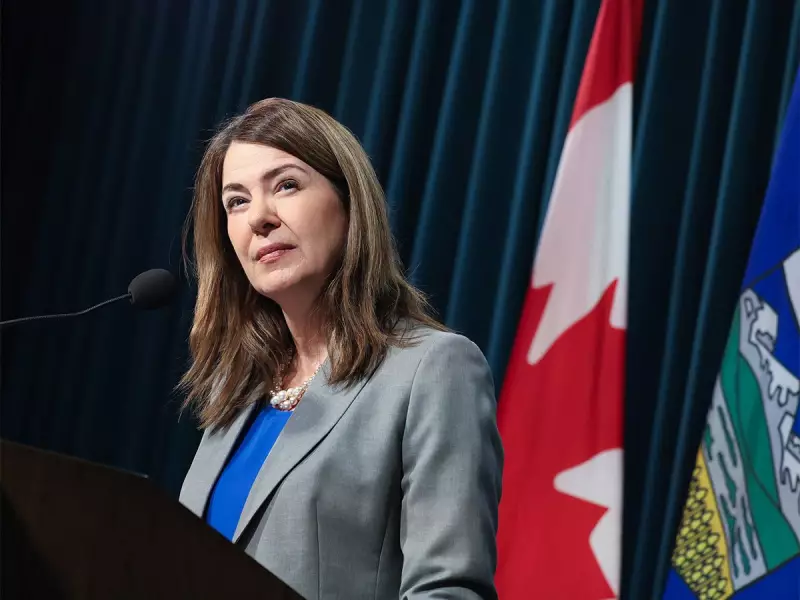
Against this challenging backdrop, Alberta Premier Danielle Smith and the province's senior representative to the U.S., Nathan Cooper, are preparing for crucial meetings with U.S. Ambassador to Canada Pete Hoekstra in Ottawa this week.
Cooper framed the situation as containing potential opportunities despite the obvious challenges. "In every crisis, there's an opportunity," he noted in an interview. "And we'll remind the ambassador that the U.S. is our largest trading partner, that we are stable, consistent, reliable friends."
The provincial representative emphasized Alberta's strategic importance to both economies: "This is an opportunity for us to build more capacity with the United States—not pull away from the opportunity, but, in fact, ensure Americans know that reliable energy and agriculture products from Alberta are important to both our economies."
Navigating an Uncertain Future
The trade tensions have escalated further with Trump's social media declaration that he would impose 100 percent tariffs if Canada strikes a trade deal with China and becomes a drop-off port for goods entering the U.S. Prime Minister Carney has clarified that Canada has no intention of pursuing such a comprehensive trade agreement with China.
As Alberta businesses navigate this increasingly complex landscape, several key themes emerge:

- The urgent need for economic diversification beyond the United States market
- The importance of maintaining diplomatic channels during periods of tension
- The critical role of the upcoming CUSMA review in shaping future trade relations
- The necessity for businesses to develop contingency plans for various trade scenarios
The current situation represents more than just temporary friction—it signals a fundamental reevaluation of Canada's economic relationships and trade strategies. Alberta's business community now faces the dual challenge of managing immediate uncertainty while planning for a potentially transformed trade environment in the years ahead.