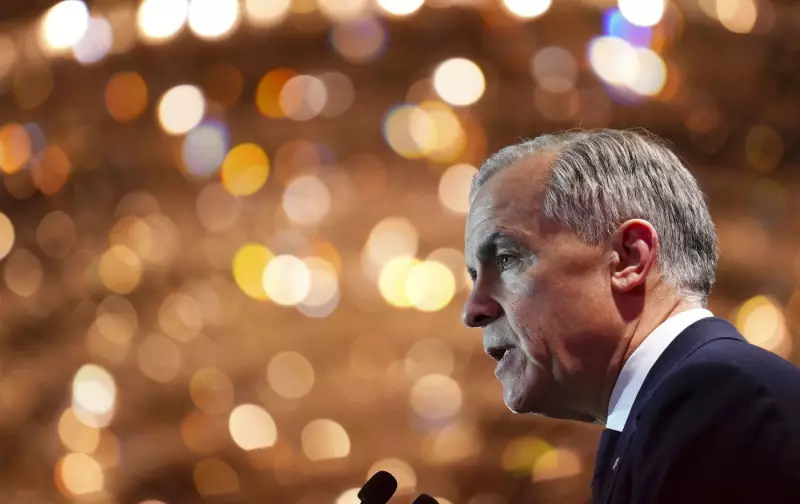
Prime Minister Mark Carney has embarked on a visit to Qatar, aiming to broaden Canada's international trade relationships, a move that places economic interests alongside the Gulf nation's contentious human rights history.
Diplomatic Mission Amid Scrutiny
The trip, confirmed for January 17, 2026, underscores the Canadian government's stated priority of diversifying its global economic partnerships. Carney's itinerary in Doha focuses on strengthening bilateral ties and exploring new avenues for trade and investment. This diplomatic engagement follows closely on the heels of the Prime Minister's activities in Beijing, China, where he attended a dinner hosted by the Canada-China Business Council on January 16, 2026.
However, the pursuit of trade diversification with Qatar is set against a backdrop of significant international criticism. Human rights organizations have consistently documented a 'brutal' human rights record in the country, citing issues concerning migrant workers' rights, freedom of expression, and the status of women and LGBTQ+ individuals. The Canadian government's decision to advance economic relations presents a complex case of balancing pragmatic foreign policy with stated values.

The Strategic Calculus of Canadian Trade
Analysts suggest this move is part of a broader strategy to reduce economic over-reliance on traditional partners and tap into the growth potential of the Middle East. Qatar, as a major global supplier of liquefied natural gas (LNG) and a hub for finance and logistics in the region, represents a significant opportunity for Canadian businesses in sectors like energy, infrastructure, and financial services.
The government's position likely involves a calculated assessment where economic and strategic interests are weighed against the imperative to advocate for human rights improvements through engagement rather than isolation. This approach often draws criticism from advocacy groups who argue it can legitimize problematic regimes without securing tangible reforms.
Broader Context and Domestic Implications
Carney's foreign policy maneuvers, from China to Qatar, signal an active period for Canadian diplomacy under his leadership. The government appears focused on securing Canada's position in a shifting global order, where supply chain resilience and access to emerging markets are paramount.
Domestically, such trips are subject to intense scrutiny. Opposition parties and civil society will undoubtedly question the ethical dimensions of deepening ties with governments accused of severe rights abuses. The success of this trade mission to Qatar will ultimately be measured not only by the deals signed but also by the government's ability to articulate a coherent and principled framework for its international engagements.
The coming days will reveal the substance of the discussions in Doha and whether Canada's push for diversification includes parallel dialogues on governance and human rights, a balancing act that defines much of modern statecraft.