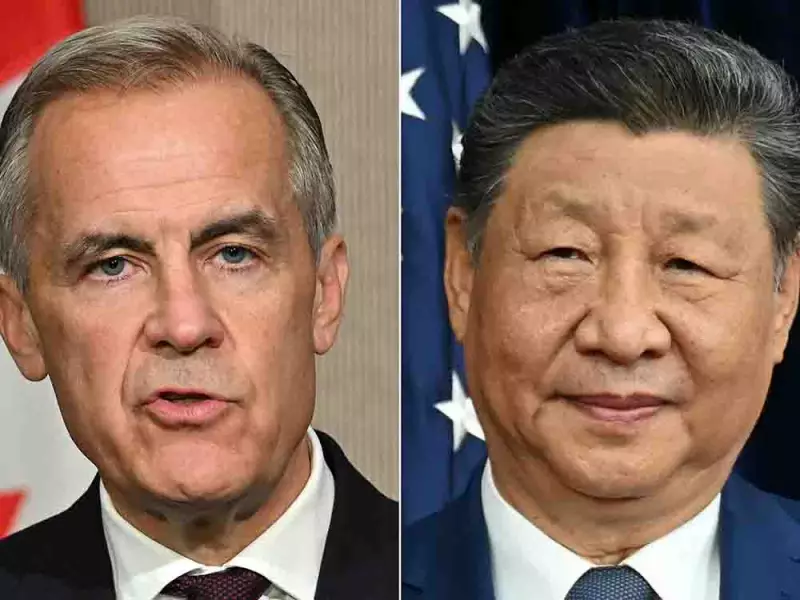
In a significant diplomatic move, China is set to propose a relaxation of restrictions on Canadian rapeseed products during Prime Minister Mark Carney's official visit this week. The offer, however, comes with a key condition: Ottawa must ease its tariffs on Chinese-made electric vehicles.
A High-Stakes Trade Negotiation
Prime Minister Mark Carney is expected to land in Beijing on Wednesday, marking the first visit by a Canadian leader to China in more than eight years. The centrepiece of the trip will be a meeting with Chinese President Xi Jinping on Friday. According to sources familiar with the matter, Chinese authorities plan to discuss the trade proposal directly with Carney. The talks are also expected to include discussions on reducing Canadian levies on other Chinese industrial goods.
Canadian officials, speaking in a background briefing on Monday, expressed hope for progress on easing trade frictions but tempered expectations for a swift deal on EV tariffs. The visit follows a period of escalated trade tensions that began in 2024 under former Prime Minister Justin Trudeau, whose government imposed a 100 per cent tariff on Chinese EVs, alongside duties on aluminum and steel, to protect domestic industry and align with U.S. policy.

The Canola Trade at a Standstill
Beijing retaliated with tariffs on Canadian canola (rapeseed) early last year, followed by additional levies in August 2025. This action effectively halted a trade that was worth $4.9 billion in 2024, making China Canada's second-largest export market for canola and its products, which are primarily used for animal feed.
The potential for a thaw has already influenced commodity markets. Since last week, rapeseed meal futures in China have fallen more than four per cent, while North American canola prices have seen a slight increase. Canadian farmers are eager to see the agricultural tariffs lifted, but any concession on electric vehicles would face domestic opposition from automakers and political figures like Ontario Premier Doug Ford.
Broader Context and Challenges
The automotive sector is a cornerstone of the Canadian economy, with vehicles and auto parts among its most valuable exports. However, most production is destined for the United States. The U.S. administration under President Donald Trump has pressured both Canada and Mexico to implement barriers against Chinese products ahead of a review of the trilateral trade agreement.
Carney's office has stated that discussions during the visit will cover trade, energy, agriculture, and international security. Officials indicated the Prime Minister is expected to sign a number of documents with Chinese representatives, though details remain confidential due to ongoing negotiations.
This high-level visit represents a critical opportunity to mend a vital economic relationship, balancing the interests of Canadian farmers against those of the domestic auto industry and international alliances.