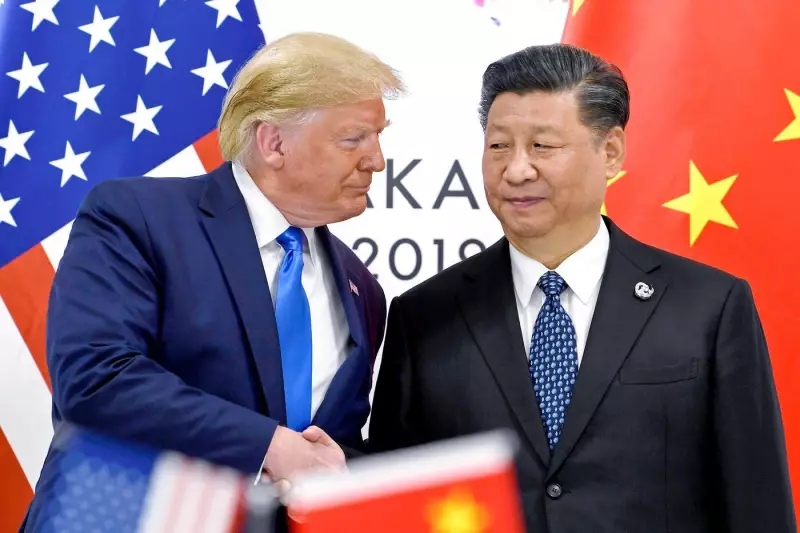
During a pivotal trade mission to Beijing, Chinese officials have publicly urged Canada to pursue a more independent foreign policy, explicitly asking Ottawa to distance itself from the influence of the United States. The call came as Prime Minister Carney engaged in high-level talks aimed at strengthening bilateral ties.
A Diplomatic Push for Strategic Autonomy
The message from Beijing, delivered on January 13, 2026, represents a significant diplomatic overture. It frames Canada's relationship with the U.S. not as an immutable partnership, but as a potential constraint on Ottawa's ability to engage with China on its own terms. This appeal for strategic autonomy is a core theme of the ongoing discussions, coinciding with a trade delegation that includes Saskatchewan Premier Scott Moe, who has expressed optimism about the mission's potential.
International security experts, however, are advising caution. They point to what they describe as "a history of economic coercion" by Beijing, suggesting that Canada must navigate these talks with a clear-eyed view of its own national security and economic interests. The trip's timing is also notable, as several Liberal MPs opted out of a separate parliamentary delegation to Taiwan to "avoid confusion" while the Prime Minister is in China.

Navigating a Complex Geopolitical Landscape
This diplomatic maneuver occurs against a backdrop of global uncertainty. The advice from China to Canada echoes a broader geopolitical contest for influence. Analysts suggest Beijing is seeking to exploit any fractures or independent tendencies within traditional Western alliances. The call for Canada to break from U.S. sway is not merely about bilateral relations but is seen as part of a larger strategy to reshape international alignments.
The trade mission itself is a tangible effort to deepen economic connections, but the underlying political request adds a layer of complexity. Canada must balance the desire for increased trade and investment with China against its longstanding security partnerships and shared democratic values with the United States and other allies.
Implications for Canada's Foreign Policy
The direct appeal from Beijing places Prime Minister Carney's government in a delicate position. Responding effectively requires a nuanced approach that protects Canadian sovereignty and interests without unnecessarily alienating either major power. The outcome of these talks could signal a subtle shift in how Ottawa positions itself between its largest trading partner, China, and its closest ally and neighbor, the United States.
This development underscores the increasing challenges middle powers like Canada face in a world of great power competition. The request from China is a clear test of Ottawa's diplomatic agility and its commitment to an independent foreign policy that is defined in Ottawa, not dictated by Washington or Beijing.