U.S. Supreme Court Strikes Down Trump's Emergency Tariffs on Canada as Illegal
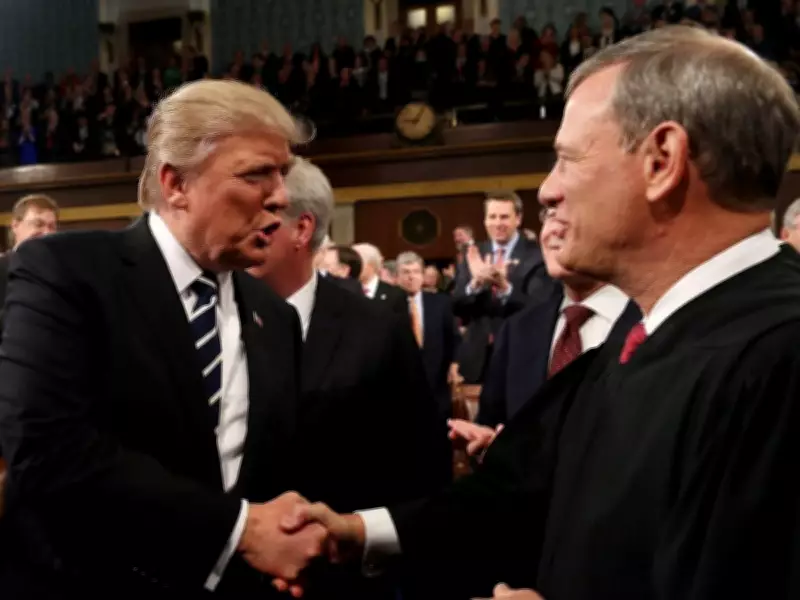
In a landmark decision with significant implications for North American trade, the U.S. Supreme Court ruled on Friday that the emergency authority invoked by former President Donald Trump to impose sweeping tariffs on Canada was unlawful. The 6-3 ruling, authored by Chief Justice John Roberts, determined that Trump's actions violated federal law when he established these trade barriers against Canada.
Legal Foundation of the Ruling
The court's majority opinion concluded that the presidential emergency powers Trump relied upon "fall short" of legal requirements for imposing such tariffs. This decision effectively nullifies the tariffs that had been a point of contention between the two nations, marking a pivotal moment in U.S.-Canada trade relations. The ruling comes at a critical juncture as both countries prepare for the upcoming review of the Canada-United States-Mexico Agreement (CUSMA).
Economic Implications for Canada
According to Avery Shenfeld, managing director and chief economist at CIBC Capital Markets, this ruling could be a "game-changer" for Canada's position in the CUSMA negotiations. Shenfeld noted that the decision "eliminates the threat that Trump would impose that fentanyl [IEEPA] tariff on all the rest of our exports," referring to the International Emergency Economic Powers Act that Trump had cited.

Had the court ruled differently, Shenfeld warned, it would have represented "the adverse outcome that Canada fears the most," potentially granting the United States substantially greater leverage in trade discussions. The ruling therefore removes a significant bargaining chip that could have disadvantaged Canadian interests during the CUSMA review process.
Broader Context and Historical Significance
The decision represents a rare judicial check on presidential trade authority and underscores ongoing tensions between executive power and legislative constraints in international commerce. The 6-3 split among justices reflects the contentious nature of presidential emergency powers in trade policy, with the dissenting minority presumably supporting broader executive discretion in such matters.
This ruling follows years of trade uncertainty between the neighboring nations, during which Trump frequently employed tariffs as both economic policy tools and negotiation tactics. The Supreme Court's intervention establishes important legal precedents regarding the limits of presidential authority in imposing trade restrictions, even under declared national emergencies.
Future Implications
The decision is expected to influence not only immediate U.S.-Canada trade relations but also future presidential approaches to emergency trade measures. Legal experts anticipate that this ruling will constrain similar executive actions unless Congress explicitly grants broader authority through legislation.
As both nations move forward with CUSMA review discussions, Canada enters negotiations with strengthened legal standing and reduced vulnerability to unilateral U.S. tariff threats. The ruling may also impact broader North American trade dynamics, potentially affecting supply chains and economic cooperation across the continent.