U.S. Supreme Court Declares Trump's Sweeping Tariffs Unlawful, Upending Key Economic Strategy
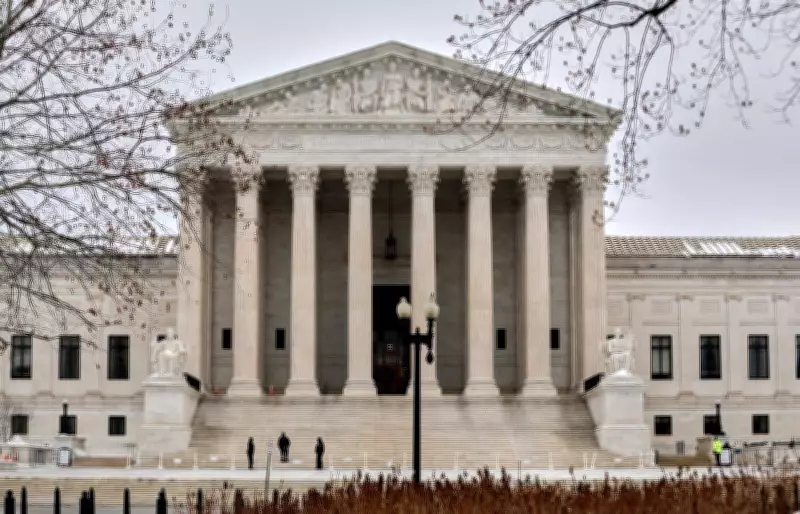
In a landmark decision, the U.S. Supreme Court has struck down former President Donald Trump's expansive global tariffs, delivering a significant blow to a central plank of his economic agenda. The ruling, issued on February 20, 2026, deems the use of tariffs under the International Emergency Economic Powers Act (IEEPA) as unlawful, effectively rejecting the sweeping trade measures that had been a hallmark of Trump's presidency.
Ruling Rejects IEEPA Tariffs as Overreach
The court's decision specifically targets the tariffs imposed through IEEPA, which Trump had leveraged to implement broad trade restrictions against multiple countries, including Canada. Legal experts describe the ruling as a critical check on executive power, emphasizing that the court found the application of these tariffs exceeded statutory authority. This judgment upends a policy that Trump had touted as essential for protecting U.S. industries and reshaping global trade dynamics.
Immediate Impact on Trade and Economic Relations
The overturning of these tariffs is expected to have immediate repercussions for international trade relations, particularly with allies like Canada. Analysts note that the ruling could ease trade tensions and reduce costs for businesses and consumers affected by the tariffs. However, it also represents a stark reversal for Trump's economic vision, which relied heavily on such measures to advance his "America First" policies.

Broader Implications for Future Economic Policy
This Supreme Court decision sets a precedent that may constrain future administrations from using similar emergency powers for tariff impositions without clear congressional authorization. It underscores ongoing debates over the balance of power between the executive and judicial branches in economic matters. The ruling arrives amid a complex global economic landscape, potentially influencing upcoming trade negotiations and domestic policy discussions.
Reactions and Context
Reactions to the ruling have been polarized, with supporters of Trump condemning it as judicial overreach, while critics hail it as a necessary correction to protect legal norms. The decision is part of a broader legal and political scrutiny of Trump's policies, reflecting deep divisions in U.S. economic strategy. As the fallout unfolds, stakeholders are closely monitoring how this will affect market stability and international diplomatic relations in the coming months.