In a dramatic turn of events, the U.S. Supreme Court delivered a blow to President Donald Trump's economic agenda by ruling against his authority to impose international trade tariffs using emergency powers. The decision, handed down on Friday, has ignited a fiery response from Trump, who labeled it "deeply disappointing" and expressed shame over some justices.
A Psychological Win Amid Limited Practical Effects
While the ruling may not drastically alter Canada's trade relations with the United States, it serves as a profound psychological victory for nations worldwide. Many countries have long viewed Trump's tariff policies as bullying tactics, and this judicial check allows them a moment of symbolic defiance against what critics describe as economically illiterate and dictatorial approaches.
From Canada's perspective, the impact is minimal because most Canadian goods are already exempt from tariffs under the Canada-United States-Mexico Agreement (CUSMA), negotiated during Trump's first term. Additionally, key tariffs on items like steel, aluminum, autos, semiconductors, lumber, and copper remain in place, as they were imposed under a different legal framework not affected by this ruling.

Trump's Heated Reaction to the Court Decision
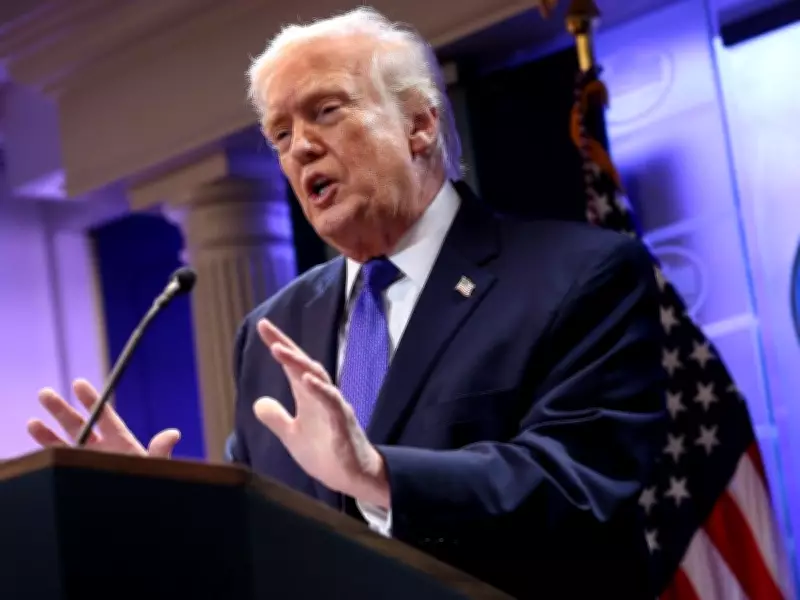
Following the ruling, Trump held a speech and news conference where his anger was palpable. Known for his combative style, he was described as "foaming at the mouth," accusing the Supreme Court of being influenced by foreign interests and labeling certain justices as "afraid" to support him. This criticism appeared directed at justices he appointed, Neil Gorsuch and Amy Coney Barrett, who voted against his tariff powers.
Trump also targeted Learning Resources, the educational toy company that brought the suit against his tariffs, calling its executives "sleazebags" and suggesting they were "foreign-country centric," a phrase interpreted as code for anti-American sentiments.
The Courage to Stand Up to Executive Power
The ruling highlights a rare instance of judicial resistance to Trump's expansive use of executive authority. With six of the nine justices opposing his tariffs, the decision underscores the importance of checks and balances in the U.S. government. This stands in contrast to the Republican majorities in Congress, who have often backed Trump unconditionally, even as he encroached on legislative powers.
Far from being an act of fear, the justices' stance demonstrates courage in upholding constitutional limits. It sends a clear message that no president, regardless of political backing, is above the law. This poetic justice offers relief to those concerned about the erosion of democratic norms and the potential for economic disruption through unilateral trade actions.
In summary, while the Supreme Court's ruling may have little immediate effect on Canada's trade, it represents a significant moment in U.S. political and legal history, challenging Trump's authority and reaffirming the role of an independent judiciary in a democratic society.