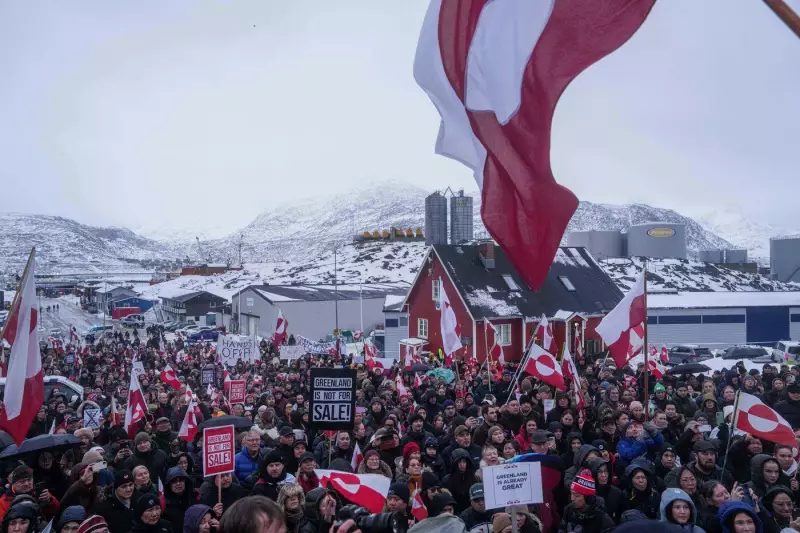
In a dramatic escalation of a long-standing diplomatic row, former U.S. President Donald Trump has imposed significant tariffs on eight countries, a move directly linked to the contentious dispute over Greenland. The announcement, made on January 18, 2026, has sent shockwaves through international capitals and trade circles, with analysts warning of the use of economic tools for political coercion.
Tariffs as a Political Weapon
According to political analyst Stephen Farnsworth, Trump's latest action is a clear example of using trade policy to exert political pressure. Farnsworth characterized the tariffs as "a vehicle to try to leverage outcomes politically" against other nations. This strategy, he suggests, moves beyond traditional trade disputes and into the realm of geopolitical bargaining, where economic pain is inflicted to achieve strategic concessions.
The specific countries targeted by the tariffs and the exact products affected were outlined in the announcement, though the core justification remained firmly rooted in the unresolved status of Greenland. The Arctic territory, while part of the Kingdom of Denmark, has been a point of strategic interest and public musing for the Trump administration in the past, with the former president having expressed a desire to purchase the island.

Global Repercussions and Canadian Context
The immediate reaction from European allies has been one of dismay and frustration, described as "reeling" by observers. The tariffs threaten to destabilize carefully balanced trade relationships and could trigger a new wave of retaliatory measures, potentially harming the post-pandemic global economic recovery.
This development carries particular weight for Canada, a nation deeply integrated into North American trade networks. A former Canadian foreign affairs minister has already issued a stark warning, suggesting that Canada could be next in the line of fire if the dispute widens or if Ottawa's positions clash with Washington's on Arctic sovereignty and other issues. The news broke alongside other significant national stories, from health data releases to domestic political events, underscoring the multifaceted challenges facing policymakers.
A New Paradigm for Trade Relations?
The imposition of these tariffs marks a potential pivot point in how trade tools are utilized in international diplomacy. By explicitly linking the measures to a political and territorial dispute rather than conventional concerns like unfair subsidies or dumping, the action sets a precedent that other nations may feel compelled to follow.
For businesses and governments alike, the move introduces a new layer of uncertainty into international planning. The long-term consequences will depend on the responses from the targeted nations, the potential for escalation, and whether this approach becomes a normalized feature of geopolitical strategy. As the world watches, the focus turns to boardrooms and foreign ministries to navigate this latest test of the global trade order.