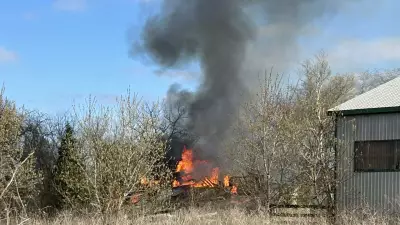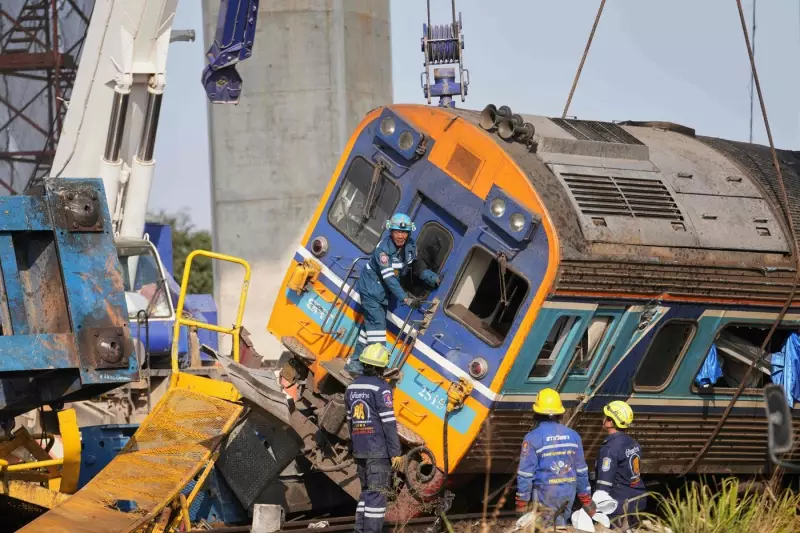
A devastating industrial accident in Thailand has left at least 32 people dead after a construction crane toppled onto a moving train, causing a fiery derailment. The incident occurred on January 14, 2026, marking one of the country's deadliest transportation disasters in recent years.
Details of the Catastrophic Collapse
According to reports from The Associated Press, the tragedy unfolded when a large construction crane fell directly onto the train as it was in motion. The impact was immediate and severe, derailing multiple carriages and sparking a significant fire. Emergency services rushed to the scene, where they faced a chaotic and challenging rescue operation amidst the wreckage.
Video footage from the site, though not detailed in the initial report, likely captured the scale of the destruction. The combination of the heavy crane's impact and the subsequent fire contributed to the high number of fatalities. Authorities have not yet released specific information on the number of injured survivors or the potential cause of the crane's failure, but a full investigation is undoubtedly underway.

Aftermath and Ongoing Response
The immediate aftermath of the crash involved a massive response from local firefighters, police, and medical teams. The priority was to extinguish the blaze and extract any survivors trapped in the twisted metal. The death toll, confirmed by officials, stands at at least 32 individuals, a number that underscores the sheer force of the collision.
This incident raises serious questions about construction site safety protocols near active railway lines. It serves as a grim reminder of the potential consequences when heavy machinery operations intersect with public transportation infrastructure. The investigation will focus on determining whether the crane was improperly secured, if there were structural failures, or if operational errors played a role.
A National Tragedy
For Thailand, this event is a profound tragedy. The loss of dozens of lives in a single, sudden accident will have a lasting impact on the communities affected and the nation as a whole. As recovery efforts continue and families mourn, the focus will shift to understanding the precise sequence of events that led to this disaster and implementing measures to prevent anything similar from happening again.
While this news originates in Southeast Asia, it resonates globally as a stark example of industrial and transportation safety failures. The international community often looks to such events to reinforce their own regulatory standards and inspection regimes for construction projects adjacent to critical transit corridors.