Michigan Governor Stands Firm on Gordie Howe Bridge as Trump Issues Threats
Michigan Governor Gretchen Whitmer has issued a forceful response to former President Donald Trump's recent threats targeting the Gordie Howe International Bridge project. The governor's strong defense of the critical infrastructure initiative comes amid escalating political tensions surrounding cross-border relations between Canada and the United States.
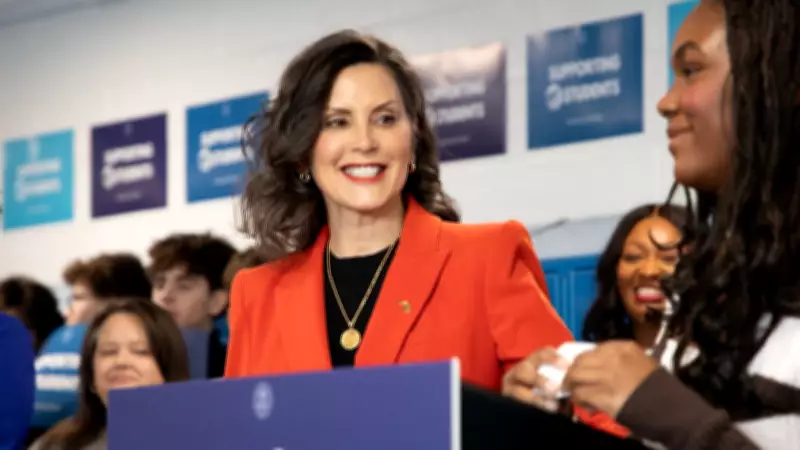
Whitmer made her position clear during a bill signing announcement in Lansing, Michigan on Tuesday, February 10, 2026. The governor emphasized the bridge's vital importance for regional economic stability and international trade, pushing back against what she characterized as politically motivated interference in a project that has been years in development.
Economic Significance of the Windsor-Detroit Crossing
The Gordie Howe International Bridge represents one of the most significant infrastructure investments in recent North American history. When completed, the six-lane cable-stayed bridge will span the Detroit River, connecting Windsor, Ontario with Detroit, Michigan. This crossing is projected to handle approximately 30% of all merchandise trade between Canada and the United States, making it an absolutely crucial artery for continental commerce.

The project has faced numerous challenges throughout its development, including political opposition, environmental assessments, and complex international negotiations. Despite these hurdles, construction has progressed steadily, with both Canadian and American stakeholders recognizing the bridge's strategic importance for supply chains and economic integration.
Political Context and Cross-Border Implications
Trump's threats against the bridge project come at a particularly sensitive time in Canada-U.S. relations. The former president has previously expressed skepticism about international infrastructure projects and has taken positions that prioritize American interests in sometimes contentious ways. Whitmer's response reflects growing concern among political leaders about the potential disruption to carefully negotiated cross-border agreements.
"This bridge represents more than just concrete and steel," Whitmer stated during her Lansing appearance. "It symbolizes the interconnectedness of our economies and the shared prosperity that comes from sensible cross-border cooperation. Threats to undermine this project threaten thousands of jobs and billions in economic activity on both sides of the border."
The governor's remarks highlight the delicate balance that must be maintained in international infrastructure projects, particularly those crossing the world's longest undefended border. Political observers note that Whitmer's defense of the bridge aligns with broader efforts to protect established international agreements from potential disruption during election cycles.
Regional Impact and Future Prospects
For the Windsor-Detroit region specifically, the Gordie Howe Bridge represents a transformative infrastructure project with far-reaching implications:
- Economic revitalization through construction jobs and long-term employment opportunities
- Enhanced trade efficiency with modern facilities designed to handle increasing commercial traffic
- Reduced congestion at existing border crossings, improving supply chain reliability
- Strengthened regional competitiveness in attracting international business and investment
As the political debate continues, stakeholders on both sides of the border are closely monitoring developments. The bridge's completion timeline and operational plans remain subject to ongoing discussions between Canadian and American authorities, with both governments recognizing the project's strategic importance despite occasional political friction.
The situation underscores the complex interplay between domestic politics and international cooperation, particularly regarding infrastructure that serves binational interests. Whitmer's firm stance suggests that defending established cross-border projects will remain a priority for regional leaders regardless of changing political winds in Washington.