British Columbia Announces $70 Million Job Training Initiative for Workers Impacted by Tariffs
The government of British Columbia has unveiled a significant $70 million funding package dedicated to job training programs, specifically targeting workers in the forestry sector and other industries that have been adversely affected by international tariffs. This initiative aims to provide essential support and retraining opportunities to help these workers adapt to changing economic conditions and secure sustainable employment.
Addressing Economic Challenges in Key Sectors
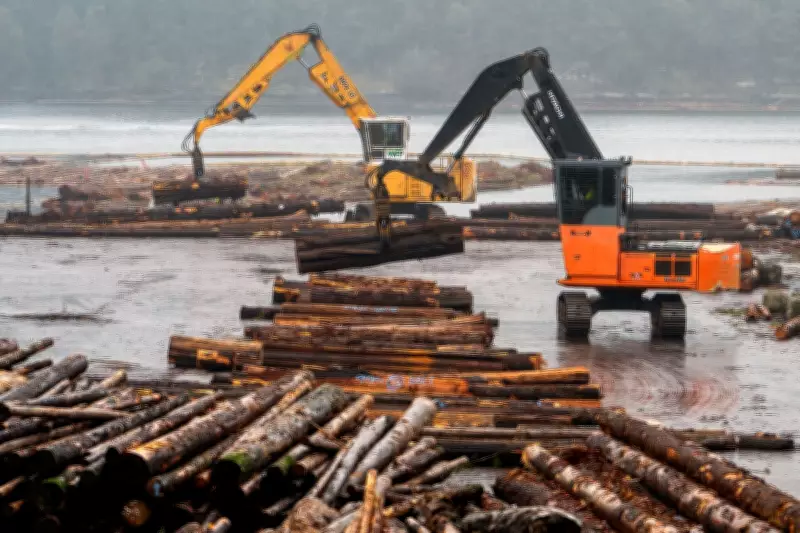
Forestry has long been a cornerstone of British Columbia's economy, but recent tariff impositions, particularly from the United States, have created substantial challenges. Canada, as the largest foreign lumber supplier to the U.S., has faced increased duties since last summer, leading to financial strain on businesses and job insecurity for workers. The new funding is designed to mitigate these impacts by offering targeted training that enhances skills and employability in both traditional and emerging fields.
Comprehensive Support for Diverse Industries
While forestry is a primary focus, the $70 million allocation will also benefit workers in other sectors that have experienced tariff-related disruptions. This broad approach ensures that a wide range of employees, from manufacturing to trade-dependent industries, can access resources to navigate economic shifts. Training programs may include certifications in technology, green energy, and advanced manufacturing, aligning with British Columbia's goals for economic diversification and resilience.

Key objectives of the funding include:
- Providing upskilling and reskilling opportunities for displaced workers.
- Supporting small and medium-sized enterprises in adapting to tariff pressures.
- Fostering innovation and competitiveness in British Columbia's economy.
- Ensuring long-term job stability and growth in affected communities.
Government and Industry Collaboration
The initiative reflects a collaborative effort between the provincial government, industry stakeholders, and educational institutions. By pooling resources and expertise, the program aims to deliver effective training that meets current market demands. Officials emphasize that this investment is not just a short-term fix but a strategic move to strengthen British Columbia's economic foundation against future global trade uncertainties.
"This funding is crucial for our workers who have been hit hard by tariffs," said a government representative. "We are committed to helping them transition into new roles and ensuring our industries remain robust and competitive on the world stage."
Looking Ahead: Economic Resilience and Recovery
As British Columbia moves forward, the $70 million job training package is expected to play a vital role in economic recovery and resilience. By empowering workers with new skills, the province aims to reduce unemployment rates, boost productivity, and attract investment in high-growth sectors. This proactive approach underscores the importance of adaptive policies in responding to international trade dynamics and safeguarding livelihoods.
In summary, the British Columbia government's $70 million investment in job training represents a significant step toward supporting workers in forestry and other tariff-affected industries. Through comprehensive programs and strategic partnerships, this initiative seeks to build a more resilient economy and secure a brighter future for all British Columbians.