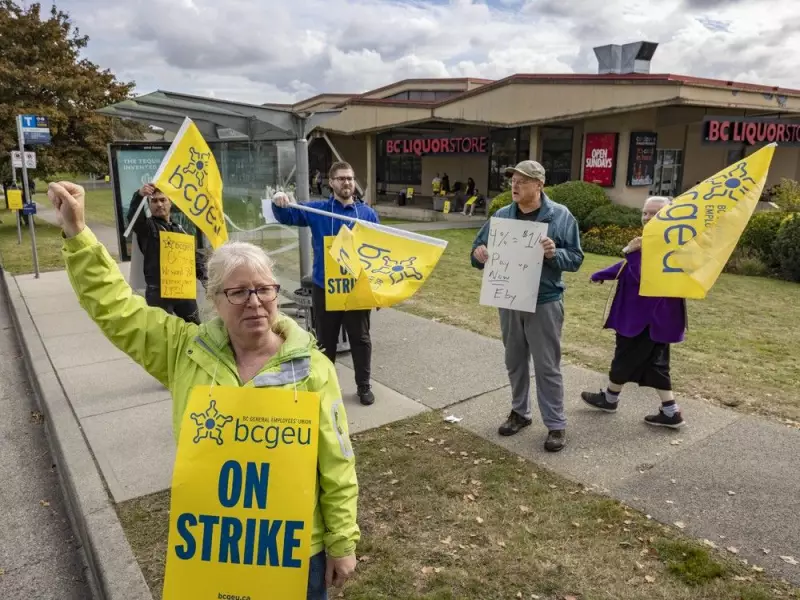
The landscape of labour relations in British Columbia is set for another significant test in 2026, as several major unions prepare to enter high-stakes contract negotiations. This comes on the heels of the impactful eight-week strike by the B.C. General Employees' Union (BCGEU) last year, which culminated in a ratified four-year deal featuring annual three per cent raises and enhanced provisions for lower-paid workers.
Beyond the Headlines: The Complexity of Bargaining
Labour expert Trevor Sones, an adjunct professor at UBC's Sauder School of Business and a mediator, cautions that negotiations are rarely simple. "The public will hear about a few high-profile issues in any given dispute but it is rarely that simple," Sones explained. He emphasizes that bargaining involves a complex array of issues where finding a balance acceptable to both union members and employers is the ultimate goal.
TransLink's Looming Deadline
One of the most critical bargaining tables will involve Metro Vancouver's transit system. Two key unions represent workers at Coast Mountain Bus Company, which is owned by TransLink.

Unifor Local 111 represents more than 4,000 bus drivers, while Unifor Local 2200 represents another 1,100 maintenance workers, tradespeople, support staff, and SeaBus operators. Both groups operate under a single collective agreement that was signed in April 2023 and is scheduled to expire in March 2026.
As of January 7, 2026, no formal bargaining dates had been scheduled. However, the potential for disruption is high. A preview occurred in January 2024 when transit supervisors represented by CUPE 4500 staged a two-day walkout. While not directly involved, members of Unifor Locals 2200 and 111 respected the picket lines, leading to a complete two-day shutdown of Metro Vancouver's bus and SeaBus services.
The High Stakes of Public Transit Strikes
Professor Sones highlights the unique and immediate impact of transit strikes compared to other sectors. "It impacts their economic ability to earn money, to get to work, but it also, for many people, it's an important component of their daily lives," he noted. The reliance of hundreds of thousands of residents on public transit means any job action would have swift and widespread consequences for the regional economy and daily routines.
The year 2026 is shaping up to be a pivotal one for labour relations in British Columbia. With the memory of the recent BCGEU strike still fresh, the upcoming negotiations for TransLink's essential workers will be closely watched by the public, government, and businesses alike, as they hold the key to the region's mobility.