Global Mining Giant Held Accountable for Catastrophic Dam Failure
A London judge has delivered a landmark ruling against BHP Group, finding the global mining corporation liable for what's widely considered Brazil's worst environmental disaster. The case centers on the catastrophic dam collapse that occurred on November 8, 2015, in the town of Bento Rodrigues, Minas Gerais state, Brazil.
The ruling represents a significant victory for Brazilian plaintiffs and environmental advocates who have sought justice for nearly a decade. The dam failure released a massive wave of toxic mining waste that devastated entire communities, destroyed homes, and caused irreversible environmental damage to local ecosystems.
The 2015 Mariana Dam Collapse: A Tragedy Unfolds
When the Fundão dam operated by Samarco—a joint venture between BHP and Vale—burst on that fateful November day, it unleashed approximately 40 million cubic meters of iron ore waste. The toxic sludge traveled hundreds of kilometers through river systems, ultimately reaching the Atlantic Ocean.

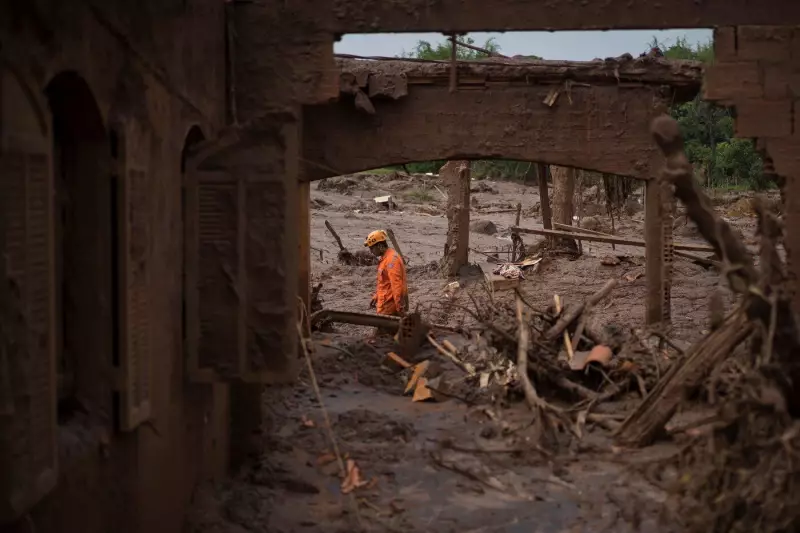
The immediate aftermath saw rescue workers navigating through destroyed houses in Bento Rodrigues, as captured in AP photographs that documented the sheer scale of destruction. The disaster claimed 19 lives and displaced thousands of residents, while contaminating water supplies and agricultural land across multiple states.
Legal Implications for International Mining Operations
This London court decision establishes important precedents for holding multinational corporations accountable for environmental disasters occurring in their overseas operations. The ruling demonstrates that companies can be pursued through international courts for damages caused by their foreign subsidiaries.
The case against BHP Group has been closely watched by environmental lawyers and mining industry representatives worldwide. It signals increasing judicial willingness to extend corporate liability across international borders, particularly for operations in developing countries where environmental regulations may be less stringent.
Legal experts suggest this ruling could pave the way for similar lawsuits against other multinational corporations operating in environmentally sensitive industries. The decision comes at a time when global attention on corporate environmental responsibility is at an all-time high.
The November 14, 2025, ruling now sets the stage for determining compensation amounts and rehabilitation measures. Brazilian authorities and affected communities await the next phase of legal proceedings, which will address the specific financial and environmental remediation requirements.