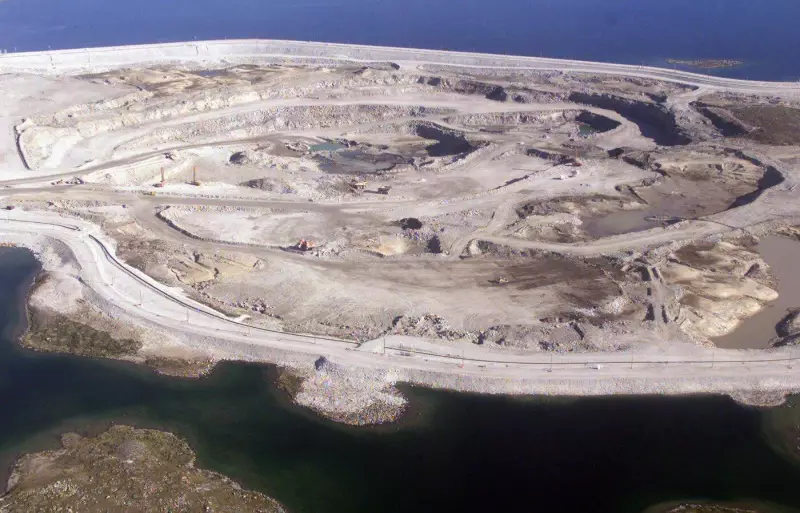
The dawn of 2026 has cast a sobering light on the economic future of Canada's Northwest Territories, as the region grapples with the waning of the industry that has shaped its modern economy: diamond mining.
The End of an Era for Lac de Gras
The iconic image of the Diavik Diamond Mine, set in the remote Lac de Gras area roughly 300 kilometres northeast of Yellowknife, has long been a symbol of northern prosperity and industrial might. Operational for decades, the mine and others like it transformed the territorial economy, providing high-wage jobs, significant government royalties, and establishing the N.W.T. as a world leader in diamond production.
However, the reality as of January 2026 is as hard as the gems once pulled from the ground. The industry that became pivotal is now facing an inevitable and natural decline. Key mines are reaching the end of their productive lifespans, with depletion of economically viable ore bodies driving the downturn.

Economic Ripples Across the Territory
The consequences of this decline are profound and multifaceted. The territorial government, which has relied heavily on resource royalties, must now confront significant budgetary pressures. Communities that grew and thrived on the backbone of mining employment are preparing for a future with fewer direct opportunities in the sector.
This transition poses a substantial challenge for economic diversification. While other sectors like tourism, renewable energy, and traditional subsistence activities are part of the northern economy, none have yet matched the scale and financial impact of the diamond mining boom. The shift requires strategic planning, investment, and support for workers and businesses tied to the fading industry.
Looking Beyond the Mine Pit
The situation at Lac de Gras serves as a potent reminder of the cyclical nature of resource-based economies. It underscores the critical need for regions dependent on non-renewable resources to plan for eventual closure from the very beginning of development.
For the Northwest Territories, the path forward involves leveraging the skills and infrastructure built during the mining era and redirecting them towards sustainable economic pillars. This includes potential opportunities in critical mineral exploration, value-added processing, and strengthening the knowledge-based and service sectors.
The waning of the diamond industry is not just the closing of a mine; it is the closing of a defining chapter in the territory's history. How the N.W.T. navigates this hard-as-diamonds reality will set the course for its prosperity for generations to come.