Iran's New Supreme Leader Calls for Strait of Hormuz to Remain Closed
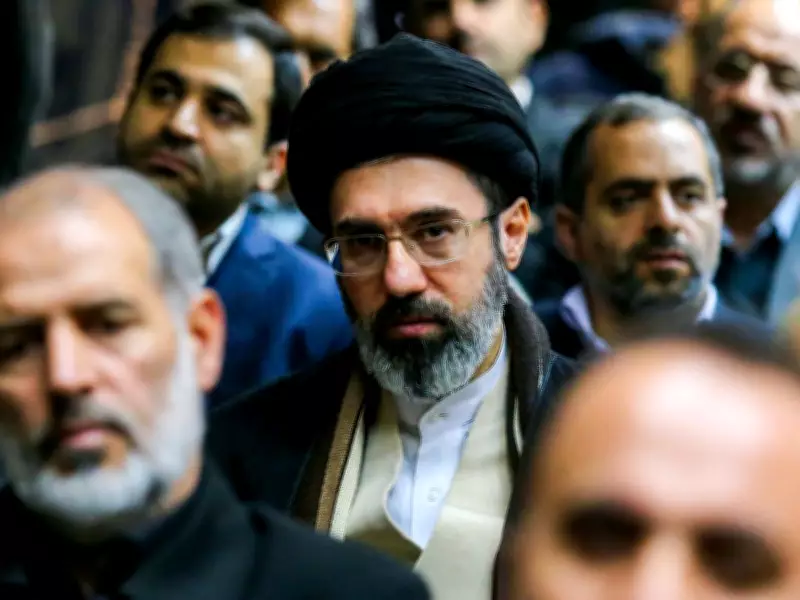
In his inaugural public address since assuming the role of Iran's supreme leader, Ayatollah Mojtaba Khamenei has declared that the Strait of Hormuz should stay closed. This statement, broadcast on Iranian state television, marks a significant development in the region's geopolitical landscape, indicating the new leader's firm stance on maintaining the vital waterway's effective closure.
Khamenei's Comments Signal Continuity in Policy
Khamenei's remarks come shortly after his appointment to succeed his father, who was assassinated, underscoring a continuity in Iran's strategic approach. The comments suggest that the country's new leadership has no intention of reopening the strait, which serves as a critical chokepoint for global oil shipments. This position is likely to heighten tensions in the Middle East, particularly with neighboring Gulf states and Israel, following recent missile barrages launched by Iran on March 9, 2026, to mark Khamenei's ascension.
The Strait of Hormuz is one of the world's most important maritime passages, with approximately one-fifth of global oil trade passing through it. Its closure could have far-reaching implications for international energy markets and economic stability. Khamenei's statement reinforces Iran's leverage in regional disputes and aligns with previous actions aimed at asserting dominance over this strategic corridor.

Regional and Global Implications
This announcement is expected to provoke reactions from global powers and regional actors who rely on the strait for energy exports. The continued closure may lead to increased diplomatic efforts or potential conflicts as countries seek to secure alternative routes or negotiate access. Analysts warn that such a move could exacerbate existing tensions and disrupt global supply chains, impacting economies worldwide.
As Iran consolidates its new leadership under Khamenei, the international community will be closely monitoring further statements and actions regarding the Strait of Hormuz. The situation highlights the ongoing volatility in the Middle East and the critical role of maritime security in global affairs.