The government of British Columbia has initiated a crucial public review period for a major expansion of a steelmaking coal mine in the province's southeast, even as a significant cross-border investigation into water pollution linked to the operation continues.
Public Input Sought on Major Mining Proposal
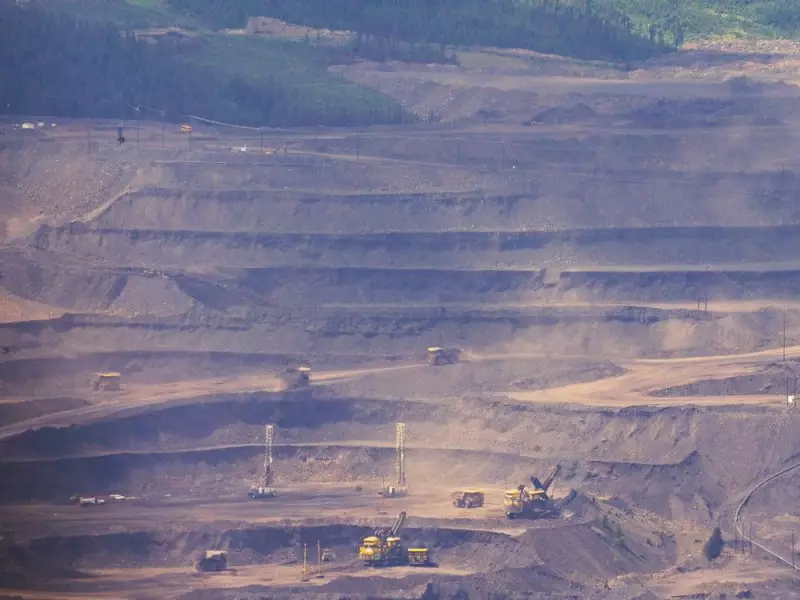
Starting Wednesday, January 15, 2026, residents of B.C. and other interested parties can formally submit comments on whether Elk Valley Resources, a company owned by mining giant Glencore, should be permitted to expand its Fording River operations. The proposal seeks to extend the life of the mine by 35 years and expand its footprint by mining a new area located roughly 15 kilometres northeast of Elkford.
The planned expansion would add approximately 20 square kilometres to the existing mine site. This proposal has now entered the public comment phase of B.C.'s environmental assessment process, which will remain open until February 15, 2026. Feedback can be submitted through the provincial government's official EPIC engage website.

Expansion Plans Collide with Ongoing Pollution Concerns
This development unfolds against a backdrop of persistent environmental worries. The federal government stated in November that more work is required to address cross-border water pollution risks to fish, fish habitat, migratory birds, and Indigenous communities stemming from mining activities in the region.
Environmental groups point to waste rock from the Elk Valley mines as the primary source of selenium contamination, which threatens aquatic ecosystems throughout the Elk Valley and downstream along the Kootenay River. A U.S. Geological Survey confirmed the pollution, noting that waste rock causes selenium, nitrates, nickel, and calcite to leach into waterways.
"The fact that this expansion is being proposed while existing Elk Valley mines pollute aquatic ecosystems and drinking water should be grounds alone for the B.C. government to reject this proposal," asserted Simon Wiebe, mining impacts and policy lead at the environmental organization Wildsight.
A History of Fines and New Promises
The pollution issues have previously resulted in substantial penalties. The mine's former owner, Teck Resources, was fined $60 million in 2021—the largest penalty ever under the Fisheries Act for these violations—and an additional $16 million in 2023.
Since acquiring the operations, Elk Valley Resources states it has engaged in discussions with local First Nations to minimize the project's environmental impact. The company claims it is implementing the Elk Valley Water Quality Plan, a long-term strategy designed to reduce selenium levels and improve watershed health while allowing mining to continue.
While selenium is rarely harmful to humans, it poses a severe threat to fish populations by significantly lowering their reproductive success. The current public comment period represents a pivotal opportunity for citizens to influence the provincial government's decision on an expansion that sits at the complex intersection of economic activity, environmental stewardship, and transboundary accountability.