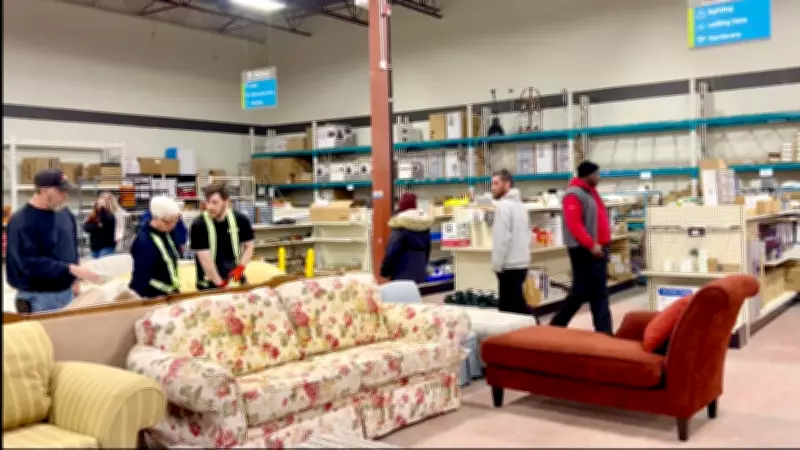
Economic Pressures Fuel Growing Thrift Culture in Alberta
As the cost of living continues to climb across Canada, a new survey from ReStores reveals that more Albertans are embracing thrifting as a practical and sustainable solution. The data highlights a notable surge in interest for second-hand furniture and renovation materials, driven by financial necessity and a desire for affordability.
Survey Insights: Thrifting Gains Momentum
The survey, conducted by ReStores, indicates that rising expenses are sparking a significant shift in consumer behavior. Albertans are increasingly turning to thrift stores and reuse centers to furnish their homes and undertake renovation projects. This trend reflects a broader movement towards mindful spending and resource conservation.
"It does help," remarked one respondent, echoing a sentiment shared by many who find thrifting an effective way to manage budgets. The appeal lies not only in cost savings but also in the unique, often vintage, items that can be discovered, adding character to living spaces.

Driving Factors: Affordability and Sustainability
Several key factors are contributing to this growing interest in thrifting:
- Economic Strain: With inflation and housing costs putting pressure on household finances, thrifting offers a viable alternative to purchasing new, often expensive, items.
- Environmental Awareness: Many consumers are motivated by sustainability, seeing thrifting as a way to reduce waste and support circular economies.
- Renovation on a Budget: Home improvement projects can be costly, but thrifted materials like lumber, fixtures, and decor allow for creative renovations without breaking the bank.
This shift is particularly evident in urban centers like Calgary and Edmonton, where residents are seeking ways to stretch their dollars while maintaining quality of life. The trend aligns with a national increase in thrift store patronage, as Canadians adapt to economic challenges.
Broader Implications for Retail and Community
The rise in thrifting has implications beyond individual savings. It supports local charities and non-profits that operate thrift stores, such as ReStores, which often fund community programs. Additionally, it challenges traditional retail models, encouraging a move away from fast furniture and disposable goods.
Experts suggest that this trend may persist even if economic conditions improve, as consumers become more accustomed to the benefits of thrifting. The combination of financial prudence and environmental responsibility is reshaping shopping habits in Alberta and beyond.
In summary, the ReStores survey underscores a meaningful change in how Albertans approach consumption. As life gets more expensive, thrifting is emerging not just as a temporary fix, but as a sustainable lifestyle choice that offers both economic and ecological advantages.