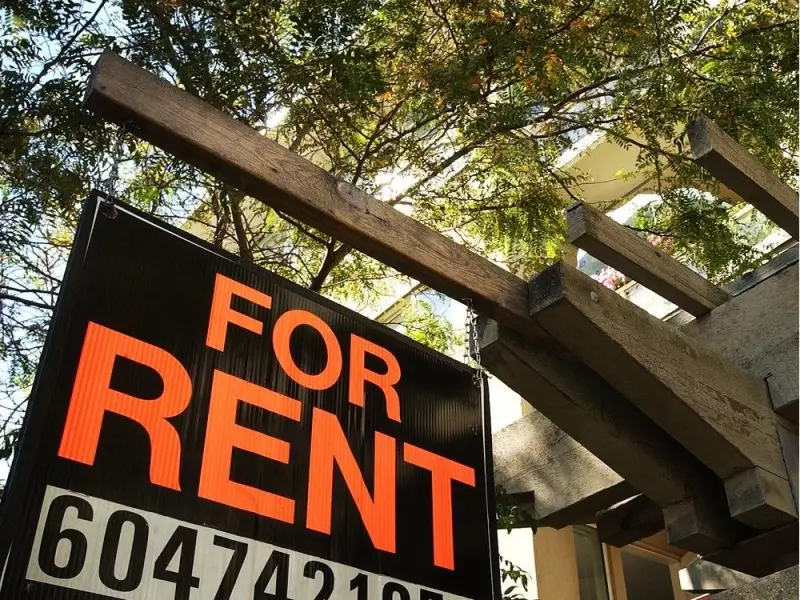
Rental Market Shift: B.C. Sees Steepest Decline in Canada
Rental prices across British Columbia are experiencing a significant downturn, with average asking rents dropping nearly six percent in October compared to the previous year. According to a new report from Rentals.ca, this represents the steepest year-over-year decline anywhere in Canada and marks a nearly ten percent decrease from October 2023 levels.
The data, which analyzes asking rates for vacant units listed on the platform, shows the provincial average rent now sits at $2,401 per month. This downward trend is part of a broader national pattern, where rents have fallen for the thirteenth consecutive month.
Vancouver and North Vancouver Lead in Price, But See Notable Drops
Despite the declines, British Columbia cities continue to dominate the list of Canada's most expensive rental markets. North Vancouver holds the title of the priciest city with an average asking rent of $3,011 per month.

Vancouver follows closely as the second-most expensive, with an average of $2,728 per month. However, this figure represents a 43-month low for the city and a 7.4 percent decrease from the same time last year. Two other B.C. municipalities, Richmond ($2,674) and Coquitlam ($2,554), also ranked among the top seven most expensive rental markets in the country.
Tenants Find Better Deals and Incentives
The cooling market is creating new opportunities for renters. Brendon Ip, a physiotherapist who recently moved within downtown Vancouver, shared his experience. "I noticed rent coming down really aggressively and decided to make a move," said Ip.
He secured a one-bedroom unit that is 25 percent larger than his previous apartment for 20 percent less rent. His new monthly payment is $2,200, saving him $575 each month. Ip also noted that his new landlord offered a free month's rent, a concession he observed was becoming fairly common for downtown units.
The search process was notably easier, with good inventory and attractive rents available. "It's come down a lot," Ip added. "There wasn't any good reason not to move aside from the hassle of moving."
The report breaks down the declines by unit type. The largest decreases were seen in two-bedroom units, which fell by 6.6 percent, followed by one-bedroom suites at 5.6 percent. Studios and three-bedroom units saw more modest drops of 2.7 and 2.6 percent, respectively.
Nationally, the average asking rent in October was $2,105. While this reflects a steady decline over the past two years, it remains 14 percent higher than pre-COVID-19 levels recorded in October 2019.
Factors Behind the Rental Market Cooldown
According to the Rentals.ca report, rental demand continued to decline in October, marking the third straight month of reduced renter activity. With levels tracking near historic lows and winter approaching, Canada is on pace to experience the slowest winter of rental demand in recent years.
There is no single reason for the decreasing rental prices, but rather a combination of factors creating a perfect storm of conditions. A July report from Canada Mortgage and Housing Corporation (CMHC) pointed to increased housing supply, sluggish job markets, and a downward trend in migration as key contributors. These conditions are forcing landlords to choose between cutting their asking prices or facing extended vacancy periods.