Calgary Property Tax Increase Finalized at 8.1 Percent for Homeowners
Calgary homeowners will see their property taxes rise by 8.1 percent starting in May, following a final decision by city council on Tuesday afternoon. The increase, which represents one of the largest property tax hikes in the city's history, has sparked significant concern about affordability among residents.
Provincial vs. Municipal Contributions
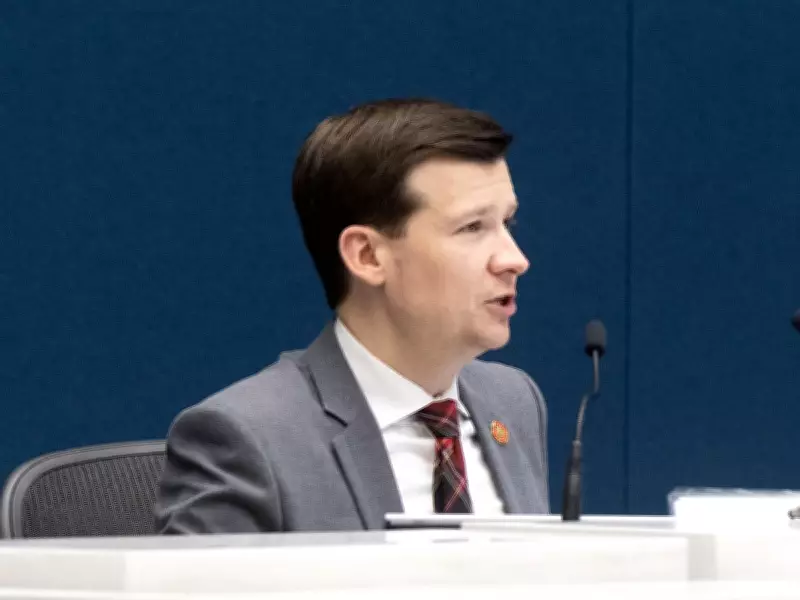
Mayor Jeromy Farkas emphasized that the "vast majority" of this tax jump stems from provincial budget decisions made last month. While the city managed to limit its portion of the increase to just 1.2 percent for both residential and non-residential properties, the provincial portion saw dramatic rises.
The provincial property tax portion increased by 19.8 percent for residential properties and 8.8 percent for non-residential properties. Non-residential properties will experience a total tax increase of 2.5 percent when combining both municipal and provincial components.

"Make no mistake, our city council team did the hard work," Farkas stated, adding that he felt this effort was undermined by the province's substantial hike. "The difference between the city portion of the property tax and the provincial portion of the property taxes is jarring."
Financial Impact and Distribution
According to the mayor, approximately 41.5 percent of property taxes collected in Calgary go to the provincial government. These funds support education, healthcare, and provincial contributions to infrastructure projects such as LRT expansion. The city is legally required to collect this portion on behalf of the province.
"We are very concerned about the affordability crisis that this increase is going to trigger," Farkas warned. "We're looking at about a $400 increase on the typical homeowner—the vast, vast majority of which is due to the provincial government's budget decisions."
Transparency Measures and Future Considerations
In response to the significant tax increase, Mayor Farkas announced he is exploring the possibility of issuing multiple property tax statements to Calgary residents. This initiative aims to make it "crystal clear which portion of the taxes are going where," providing greater transparency about how municipal and provincial funds are allocated.
Farkas also expressed hope that recent increases in oil revenue might lead to additional provincial funding for Calgary. He suggested this money could support essential infrastructure, water main replacement projects, or major initiatives like the currently unfunded Prairie Economic Gateway.
"The premier indicated that part of the lack of support for municipal governments this time around was due to the decline in resource royalties," Farkas explained. "Seeing what's happening in the Middle East and the significant boom that the province has brought in, we're expecting a fair share of that to be extended to all municipalities."
The mayor concluded by reiterating his concern about what he described as Calgary residents being "overtaxed," particularly given the disparity between municipal fiscal restraint and provincial tax increases.