New data from Statistics Canada reveals that average asking rents across Canadian metropolitan areas have declined in the first quarter of 2026, offering some relief for renters. The Quarterly Rent Statistics program, which analyzes listings from major rental platforms, shows that the average asking rent for a two-bedroom apartment was $2,150 per month in Q1 2026, down 0.9% from $2,170 in Q1 2025.
Declines in Major Cities
The majority of metropolitan areas experienced decreases in average asking rents for two-bedroom units. Toronto saw a 1.1% decline to $2,660, while Montreal dropped 1.6% to $1,900. Vancouver fell 2.2% to $3,100, and Ottawa–Gatineau recorded a significant 5.6% decrease to $2,350.
Largest Drops and Increases
Kingston, Ontario, led the decline with a 5.9% drop, from $1,960 in Q4 2025 to $1,920 in Q1 2026. Other notable decreases include Abbotsford–Mission, British Columbia (5% down), and London, Ontario (4.5% down). In contrast, Saskatoon saw the steepest increase, rising 9.4% to $1,630 per month, followed by Greater Sudbury (7.7%) and Regina (5.7%).

Most Expensive and Cheapest Cities
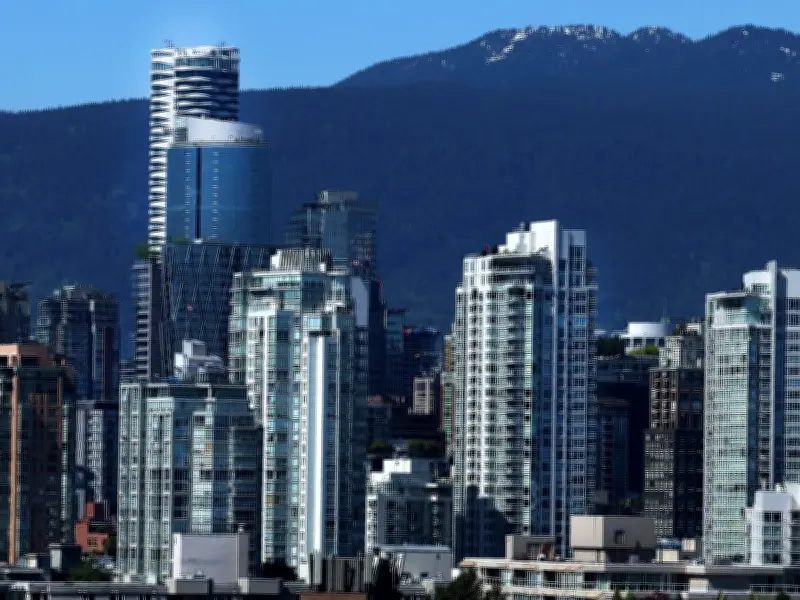
Vancouver remains the most expensive city, with average rents for a single room at $1,060, one-bedroom apartments at $2,290, two-bedroom units at $3,100, and houses at $4,860. Vancouver has long been considered Canada's most costly city, with a recent study from Chapman University ranking it the fourth most expensive globally after Hong Kong, Sydney, and San Jose.
On the other end, Sherbrooke, Quebec, offers the cheapest rooms at $520 per month. Trois-Rivières, Quebec, has the lowest one-bedroom rents at $980, while Drummondville, Quebec, is cheapest for two-bedroom apartments at $1,230. Moncton, New Brunswick, has the most affordable houses at $1,910.
Reasons for Easing Rents
The Canada Mortgage and Housing Corporation (CMHC), which collaborated on the program, attributes the decline to increased supply and slower demand. In Toronto and Vancouver, landlords also cite competition from a surge in new condos that cannot be absorbed by the ownership market, pushing down asking rents.