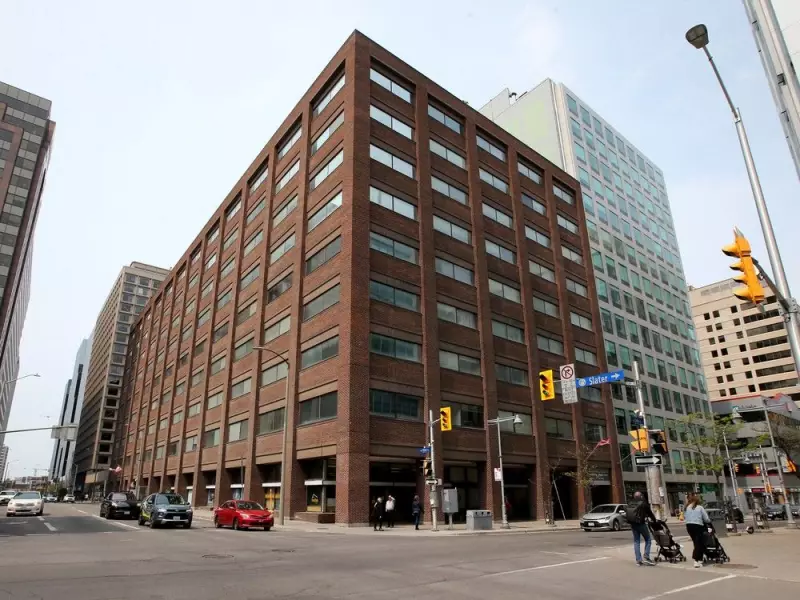
The federal government's ambitious plan to convert its surplus properties into much-needed housing in the National Capital Region saw the list of potential sites grow significantly last year, but concrete progress remained elusive. By the end of 2025, the inventory of federal lands and buildings earmarked for residential development in Ottawa-Gatineau had expanded to 36 properties, yet not a single transaction had been completed since the initiative's launch.
A Growing List With No Checkmarks
When the Canada Land Bank was officially launched in August 2024, it began with a portfolio of 22 federal properties in the capital region. Over the following year, new parcels were added to the roster, but none were removed through successful sales or development agreements. This static progress has sparked concern among housing advocates and developers who see these underutilized assets as critical to addressing the housing shortage.
"We can’t move fast enough," stated Graeme Hussey, director of affordable housing with Ottawa-based Windmill Developments. While acknowledging the complex checks and balances inherent in government processes, Hussey emphasized that the severity of the housing crisis demands a more urgent response from all levels of government.

From Office Towers to Empty Plots
The properties on the land bank list are a diverse mix. While many are vacant lots ripe for new construction, several are existing buildings that the government is actively trying to sell. Public Services and Procurement Canada (PSPC) is leading the disposal efforts for ten such buildings in Ottawa-Gatineau. Notable structures on the list include the Jackson Building at 122 Bank Street, the Sir Charles Tupper Building, and all three towers of the L’Esplanade Laurier complex.
PSPC declined to comment on the timeline for these sales by the publication's deadline. The fact that most of these buildings are also listed on the Canada Land Bank strongly suggests the federal government views them as prime candidates for conversions from office space to residential units.
Developer Frustration and a Specific Proposal
The pace of the government's action is a particular point of contention for those ready to build. Windmill Developments, in partnership with the Ottawa Aboriginal Coalition, has prepared a proposal for the Jackson Building. Their plan envisions transforming the downtown property into affordable housing and social services dedicated to urban Indigenous communities.
Hussey was careful to note that his group holds no special priority and expects to compete in a fair, open process if the building is sold. However, he and his partners have been actively pushing for that competitive process to begin. "In all levels of government, we recognize that we’re in a housing crisis, period," Hussey said. "And to be honest, we’re not doing enough. There’s not enough properties on that list. They’re not moving fast enough."
Of the 36 properties currently on the bank, most remain in a public feedback phase. Only one is formally accepting submissions, while offers for seven others are under review. This bureaucratic workflow underscores the challenge of rapidly turning public land into private housing solutions, even with a declared national priority.