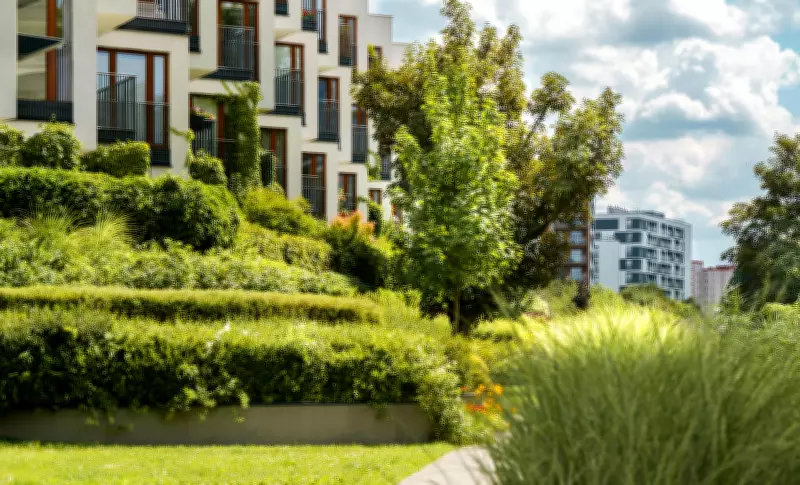
Green Housing Proves Financially Rewarding, According to Comprehensive Study
A groundbreaking new study has confirmed that investing in environmentally friendly, energy-efficient housing can translate into substantial financial gains for property owners. The research highlights how sustainable features not only reduce long-term operational costs but also significantly enhance resale value, making green homes a smart economic choice in today's real estate market.
Economic Benefits of Sustainable Property Features
The study meticulously analyzed market data and found that homes equipped with green technologies—such as solar panels, high-efficiency insulation, and water-saving systems—consistently command higher prices compared to conventional properties. Energy-efficient upgrades were shown to offer an impressive return on investment, often paying for themselves through utility savings within a few years while simultaneously increasing the overall market appeal of the home.
"The financial advantages of green housing are becoming increasingly clear," the researchers noted. "Homeowners who prioritize sustainability are not only contributing to environmental conservation but are also building equity and securing better financial outcomes."

Long-Term Savings and Market Trends
Beyond immediate resale value, the study emphasized the long-term cost savings associated with green homes. Reduced energy and water bills provide ongoing financial relief, while government incentives and tax credits for eco-friendly upgrades further bolster the economic case. As climate awareness grows, demand for sustainable living spaces is rising, positioning green properties as a forward-thinking investment.
The research also pointed to broader market trends, indicating that neighborhoods with a higher concentration of energy-efficient homes often experience increased property values overall. This suggests that green housing can have a positive ripple effect, benefiting entire communities and encouraging wider adoption of sustainable practices in real estate development.
Practical Implications for Homeowners and Buyers
For current homeowners, the findings underscore the value of retrofitting properties with green features, even minor upgrades like smart thermostats or LED lighting. For prospective buyers, the study serves as a reminder to factor in long-term savings and potential appreciation when evaluating property investments. Financial institutions are increasingly recognizing the stability of green homes, often offering favorable loan terms for energy-efficient properties.
In conclusion, this study provides compelling evidence that green housing is not just an environmental choice but a financially strategic one. As the real estate market evolves, properties that prioritize sustainability are likely to remain in high demand, offering both immediate and lasting economic benefits to their owners.