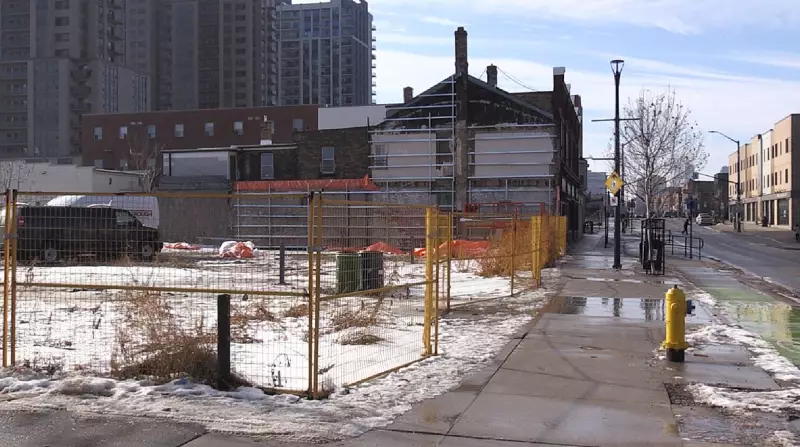
A planned affordable housing development in London, Ontario, designed to support newcomers to the city, has been thrown into financial limbo. The project's future is now uncertain due to a significant dispute with municipal authorities over development charges totaling $3.1 million.
Project Halted by Multi-Million Dollar Fee Disagreement
According to reports, city hall has informed the project's organizers that they owe millions in standard development fees. These charges are levied by municipalities to help fund the infrastructure needed to support new construction, such as roads, sewers, and community services. The $3.1 million sum has created a major financial hurdle for the affordable housing initiative, which was intended to provide much-needed homes for new London residents. The dispute has effectively placed the entire proposal on hold, casting doubt on when or if construction will begin.
Broader Implications for Housing and Community
The stall of this project highlights the ongoing tension between municipal funding models and the urgent need for affordable housing stock. While development charges are a standard tool for cities, they can disproportionately impact non-market housing projects that operate on thin financial margins. This impasse directly affects London's capacity to house its growing population, particularly those who are most vulnerable. The situation underscores the complex challenges cities face in balancing fiscal responsibility with social priorities like housing affordability.

Seeking a Path Forward
As of January 08, 2026, the project remains in a state of uncertainty. Resolution will likely require negotiations between the project developers and city officials to find a compromise or a financial mechanism that can bridge the gap. The outcome will be closely watched by housing advocates and other communities across Canada facing similar dilemmas. The need for creative solutions to finance affordable housing, potentially through exemptions, deferrals, or grants for qualifying projects, is more apparent than ever.
The delay serves as a stark reminder of the obstacles that can arise even for well-intentioned projects, and the critical need for aligned policies at all levels of government to address the national housing crisis.