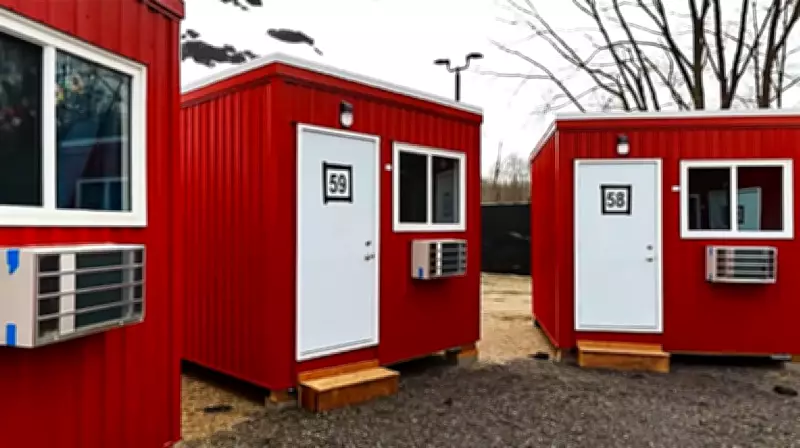
Over 100 Homeless Londoners on Waitlist for Micro-Modular Shelter Placement
Officials in London have disclosed that more than 100 homeless individuals are currently on a waitlist to secure spots in the city's newly established micro-shelter community. This development underscores the persistent housing crisis affecting urban centers and the urgent need for innovative solutions to address homelessness.
Growing Demand for Transitional Housing Solutions
The micro-modular shelter initiative, designed to offer temporary, dignified living spaces, has seen significant interest since its announcement. These compact, modular units are intended to provide a stable environment for those experiencing homelessness while they await permanent housing options. However, the high number of applicants highlights the scale of the issue, with many vulnerable residents facing prolonged periods without adequate shelter.
City representatives emphasize that the waitlist reflects both the demand for such services and the limitations of current resources. Efforts are underway to expand capacity and streamline the intake process, but challenges remain in balancing immediate needs with long-term sustainability. The micro-shelters, often praised for their cost-effectiveness and rapid deployment, represent a critical step in bridging the gap between emergency shelters and permanent homes.

Broader Context of Homelessness in Urban Areas
This situation in London mirrors trends seen in other major cities across Canada, where homelessness rates have been rising due to factors such as:
- Escalating housing costs and limited affordable options
- Economic instability and unemployment
- Insufficient mental health and addiction support services
Advocates argue that while micro-shelters offer a temporary reprieve, comprehensive strategies are needed to tackle root causes. Investments in social housing, income support programs, and community-based care are cited as essential components of a holistic approach to reducing homelessness.
As the waitlist grows, officials urge patience and collaboration among stakeholders, including non-profits and private sector partners, to accelerate housing solutions. The micro-shelter community aims not only to provide shelter but also to connect residents with vital services, such as job training and healthcare, to facilitate their transition to stable living conditions.