Manitoba Premier Announces PST Removal from Groceries in 2026 Budget
Manitoba Premier Wab Kinew has unveiled a significant tax relief measure ahead of his NDP government's 2026 provincial budget announcement. The premier revealed that Manitoba will eliminate the provincial sales tax on all food items purchased at grocery stores, a move he claims will provide "real savings for real life" for Manitobans.
What the Tax Cut Actually Means
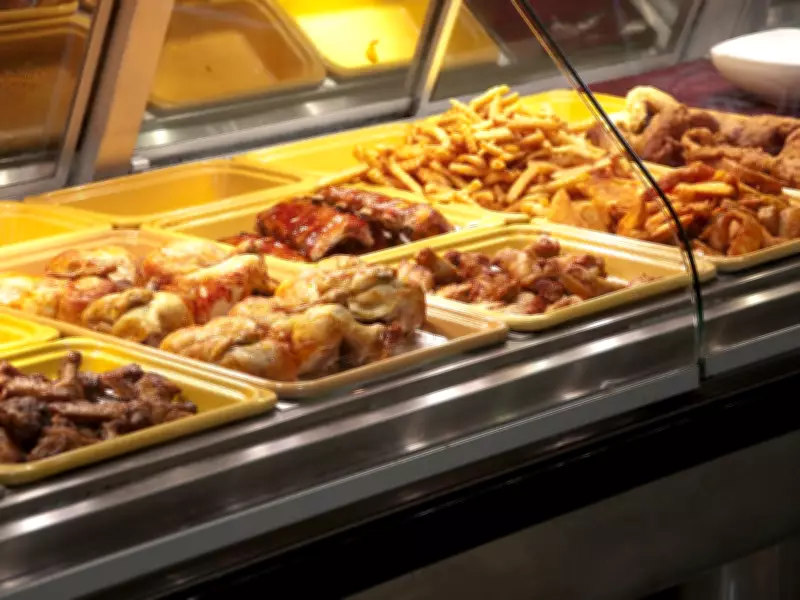
While basic grocery items like meat, dairy, eggs, fruits, and vegetables were already exempt from the 7% provincial sales tax, the new measure specifically targets prepared foods and convenience items. This includes ready-made meals, rotisserie chickens, salads, and beverages from supermarket hot tables and prepared food sections.
"Think of all the stuff that you're grabbing on the way home when you're in a rush and you gotta try and put a meal on the table for the family," Kinew explained in a social media announcement. The premier emphasized that this change would take effect assuming the budget passes by July 1, 2026.

Expert Analysis Questions Economic Impact
Food policy expert Sylvain Charlebois offered a tempered assessment of the announcement, calling it "more of a political signal than a structural solution." The professor noted that while the move is "symbolically powerful," its economic impact will be modest since most essential grocery items were already tax-exempt.
"The real impact will be felt on prepared and convenience foods — helping families at the margin, singles and seniors who do buy many ready-to-eat products, but not fundamentally changing food affordability," Charlebois told media outlets.
The expert pointed out that shrinkflation has created more taxable snack items at grocery stores, and many consumers remain unaware of these changes. He suggested that a more powerful move would involve federal action to eliminate the Goods and Services Tax on food items.
Broader Context and Provincial Comparisons
Manitoba's announcement comes just two days before Ontario is scheduled to release its own provincial budget. Premier Doug Ford faces pressure to address Ontario's growing debt, which according to a Fraser Institute study has reached concerning levels under his administration.
Charlebois suggested other provinces might follow Manitoba's lead, particularly where affordability concerns dominate political discourse. However, he cautioned that "the fiscal room is limited" and that eliminating sales taxes won't address the broader drivers of food inflation, including energy costs, labor expenses, and supply chain challenges.
The food policy expert emphasized that while the tax cut provides some relief, it doesn't fundamentally alter the structural issues affecting food affordability across Canada.
Political Implications and Public Response
Premier Kinew framed the announcement as part of his government's commitment to making "life more affordable for Manitobans." In his social media posts, he highlighted how the tax elimination would affect everyday purchases that families make during busy weeknights.
The timing of the announcement — just ahead of the formal budget presentation — suggests the government views this as a key political win that resonates with voters struggling with cost-of-living pressures. However, experts warn that the actual savings for most households will be relatively modest compared to overall grocery expenditures.
As provincial governments across Canada grapple with affordability concerns, Manitoba's move represents one approach to providing targeted tax relief, though its practical impact remains subject to debate among economists and policy analysts.