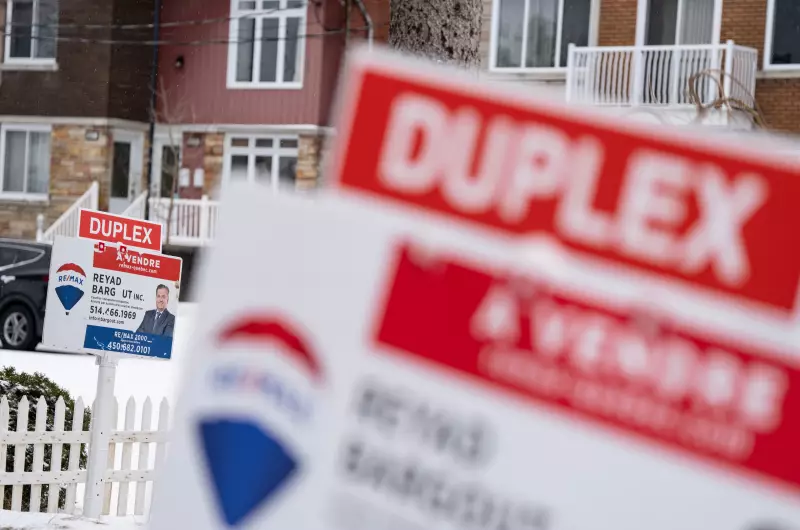
The dream of owning a detached house in the Greater Montreal area has become significantly more expensive for Canadian families, with new data revealing a staggering price surge over a short five-year period.
A Dramatic Climb in Home Values
According to a report, the price of a single-family home in the Greater Montreal region has increased by a remarkable 67 per cent over the past five years. This sharp appreciation, calculated from 2021 to early 2026, underscores the intense pressure on the housing market in one of Canada's largest metropolitan areas. The data paints a clear picture of a market where demand continues to outpace supply, pushing property values to new heights.
Understanding the Market Forces
Several interconnected factors are fueling this rapid price growth. Historically low interest rates in the early part of the period, combined with a wave of interprovincial migration and strong demand from first-time buyers and investors, created a perfect storm. Furthermore, constraints on new construction, including labour shortages and rising material costs, have limited the supply of new single-family homes, intensifying competition for existing properties.

The ripple effects of this surge are profound. For current homeowners, the increase represents substantial equity growth. However, for aspiring buyers, especially younger Canadians and new families, the market presents a formidable barrier to entry, pushing the goal of homeownership further out of reach and contributing to a wider affordability crisis.
Implications for Montreal's Future
This trend has significant implications for the social and economic fabric of Montreal and its surrounding communities. Experts warn that such rapid appreciation can exacerbate wealth inequality and alter the demographic composition of neighbourhoods. It also places increased pressure on rental markets, as those priced out of ownership compete for available apartments.
Municipal and provincial policymakers are now faced with the urgent challenge of addressing housing affordability. Potential responses include incentivizing the construction of more missing-middle housing, reviewing zoning bylaws to increase density, and implementing measures to cool speculative investment. The 67 per cent price jump over five years serves as a stark indicator that the status quo is unsustainable for many residents.
As Montreal continues to grow and attract new residents, the need for a balanced and strategic approach to housing development has never been more critical. The coming years will test the region's ability to create a more accessible and stable housing market for all its inhabitants.