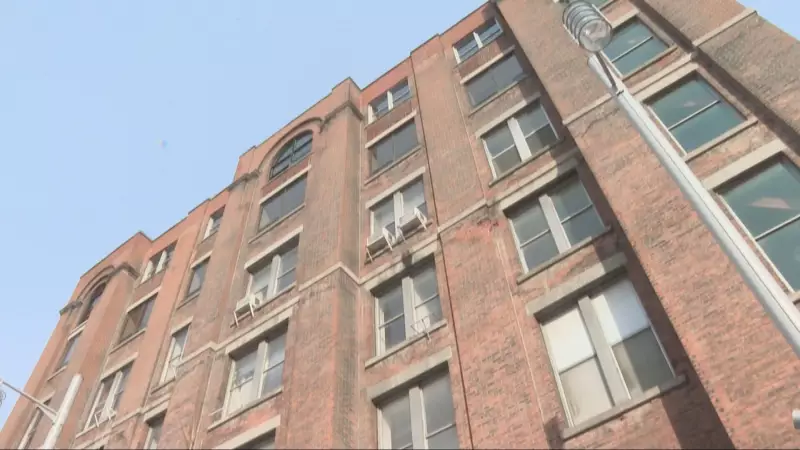
Montreal Petition Opposes Heritage Building Conversion to Homeless Housing
A petition has garnered significant attention in Montreal, opposing the proposed transformation of a heritage building in the city's historic Chinatown district into supervised housing for the homeless population. The building, located on Coté Street, is at the center of a contentious debate that pits heritage preservation against urgent social housing needs.
Heritage Concerns Clash with Social Initiatives
Several individuals have signed the petition, which argues that converting the heritage structure could compromise its historical integrity and cultural significance. Chinatown in Montreal is a vibrant neighborhood with deep roots, and many residents and heritage advocates fear that altering such buildings for new uses might erode the area's unique character and architectural legacy.
Proponents of the housing project, however, emphasize the critical shortage of safe and supervised accommodations for the homeless in Montreal. With rising homelessness rates in urban centers across Canada, initiatives like this aim to provide stability and support for vulnerable populations, potentially reducing street encampments and improving public health outcomes.

Broader Implications for Urban Development
This conflict highlights a common challenge in Canadian cities: balancing the preservation of historical sites with the pressing demand for affordable and supportive housing. In Montreal, where heritage buildings are a key part of the city's identity, such disputes often spark broader discussions about urban planning priorities and community engagement.
The petition's opposition suggests that some stakeholders believe alternative locations or building types might be more suitable for homeless housing projects, without sacrificing cultural heritage. This stance raises questions about how municipalities can innovate in housing solutions while respecting historical contexts.
Looking Ahead
As the petition circulates, it remains to be seen how local authorities will respond. The outcome could set a precedent for future developments in Montreal and other Canadian cities facing similar dilemmas. Engaging diverse community voices, including heritage groups, social service providers, and residents, will be crucial in finding a balanced approach that addresses both preservation and humanitarian needs.
Ultimately, this situation underscores the complex interplay between urban development, social welfare, and cultural preservation in modern Canadian society.