

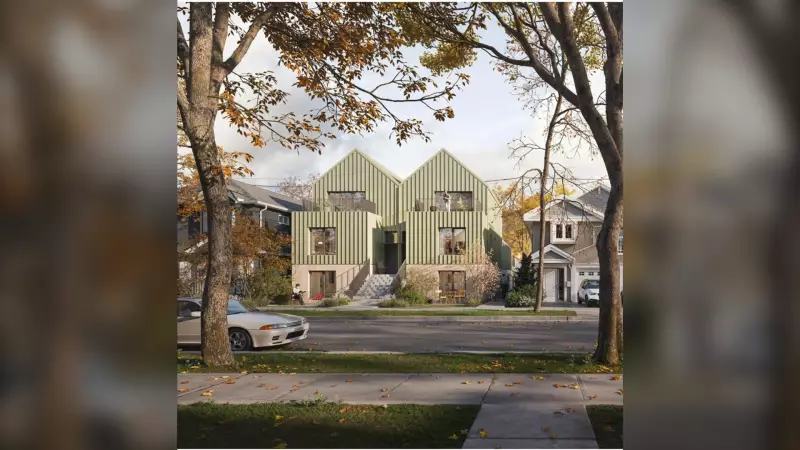
The City of Ottawa is turning to history for solutions to its modern housing crisis, launching an initiative to create 21st century versions of Victory-style homes that could significantly boost housing supply.
Blending Historical Design with Modern Needs
Inspired by the practical and efficient homes built for returning Second World War veterans, Ottawa's new housing strategy aims to replicate that successful model for today's market. The initiative represents a creative approach to addressing the persistent housing shortage affecting communities across Canada.
The original Victory homes, constructed in the late 1940s, were celebrated for their simplicity, affordability, and rapid construction time. These qualities made homeownership accessible to thousands of Canadian families during a previous housing crisis.

Addressing Contemporary Housing Challenges
Ottawa officials believe that adapting this proven concept could provide much-needed relief to the current housing market. The modern versions will incorporate contemporary building standards, energy efficiency requirements, and updated designs while maintaining the core principles that made the original homes successful.
The timing of this initiative coincides with growing concerns about housing affordability and availability across Canadian cities. By looking to successful historical models, Ottawa hopes to accelerate construction while keeping costs manageable for prospective homeowners.
Potential Impact on Housing Supply
If successful, the Victory-style home revival could serve as a template for other municipalities facing similar housing challenges. The approach emphasizes practical solutions that balance historical effectiveness with modern living requirements.
This innovative strategy demonstrates how cities can draw from their own history to solve contemporary problems. As housing remains a critical issue for Canadians, such creative approaches may become increasingly important in developing sustainable solutions.
The initiative represents a forward-thinking approach to urban planning that acknowledges both the urgency of the current housing situation and the value of learning from past successes.






