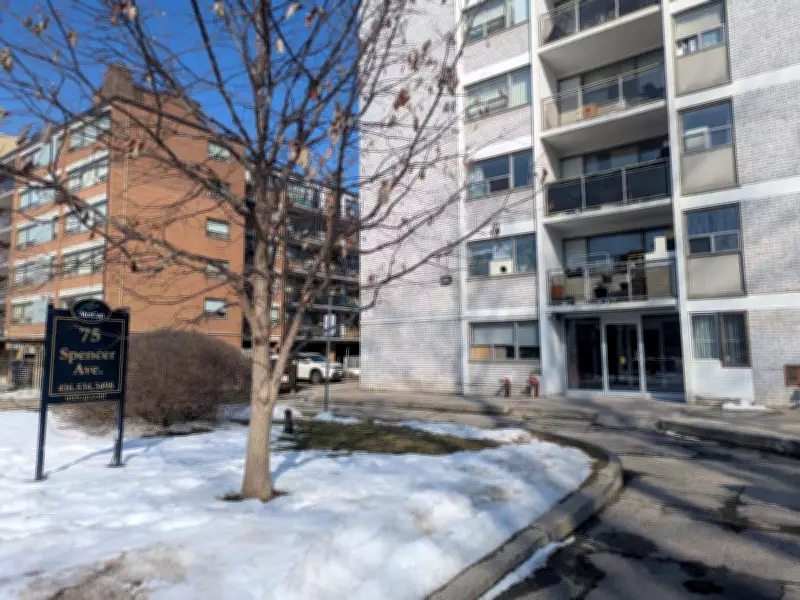
Parkdale Tenants Mobilize for Rent Strike Against Retroactive Increase
Tenants at 75 Spencer Avenue, a mid-rise apartment building located in Toronto's vibrant Parkdale neighborhood, are preparing to initiate a rent strike on March 1, 2026. This collective action comes in direct response to their landlord's recent proposal for a retroactive rent increase, a move that has sparked significant discontent among residents. The building, situated in the city's west end, has become a focal point for housing advocacy as tenants rally against what they describe as an unfair financial burden.
Details of the Landlord's Proposal
The landlord has formally requested a rent hike that would apply retroactively, meaning tenants could be required to pay additional amounts for past rental periods. This type of increase is particularly contentious under Ontario's residential tenancy laws, which typically regulate rent adjustments to prevent sudden and excessive burdens on renters. Tenants argue that the retroactive nature of the increase places an undue strain on household budgets, especially amid ongoing economic pressures such as inflation and rising living costs in Toronto.
"We feel cornered by this demand," said one resident, who wished to remain anonymous due to concerns about retaliation. "It's not just about the money; it's about the principle of fairness and transparency in housing." The tenant's sentiment echoes broader frustrations in Parkdale, a community historically known for its affordable housing but now grappling with gentrification and displacement pressures.

Organizing the Rent Strike
In anticipation of the strike, tenants have been organizing meetings and coordinating with local housing advocacy groups to build solidarity and ensure legal preparedness. A rent strike involves withholding rent payments as a form of protest, a tactic that requires careful planning to navigate potential legal repercussions, including eviction proceedings. Advocates emphasize that such actions are protected under tenant rights laws when conducted collectively and in good faith.
The decision to strike on March 1 aligns with the start of a new month, symbolizing a fresh stand against the proposed increase. Tenants plan to deposit withheld rents into a trust account, demonstrating their willingness to pay once the dispute is resolved fairly. This approach aims to show that the strike is not about avoiding payments but about challenging what they perceive as an unjust policy.
Broader Context of Housing in Toronto
This incident is not isolated; it reflects wider housing tensions in Toronto, where renters often face challenges related to affordability and landlord-tenant dynamics. Parkdale, in particular, has seen numerous rent strikes and protests over the years, highlighting its role as a hotspot for housing activism. Data from municipal reports indicate that rent increases in the area have outpaced income growth, exacerbating financial stress for many residents.
Local officials and housing experts have noted that retroactive rent increases are rare but can occur in specific circumstances, such as when landlords seek to recover costs from previous years. However, tenants at 75 Spencer Avenue contend that their landlord has not provided adequate justification for the request, leading to suspicions of profit-driven motives rather than necessary maintenance or improvements.
Potential Outcomes and Next Steps
As the March 1 deadline approaches, both tenants and the landlord are likely to engage in negotiations, possibly mediated by the Landlord and Tenant Board. Outcomes could range from a withdrawal of the retroactive increase to a modified agreement that addresses tenant concerns. Legal experts advise that rent strikes should be a last resort, after exhausting other avenues like formal complaints or mediation.

Tenants remain hopeful that their collective action will draw public attention and pressure the landlord to reconsider. "We're standing up for our rights and for everyone in Toronto who's struggling with housing costs," another tenant stated. The strike's success may depend on community support and media coverage, which could amplify their message and influence broader policy discussions on rent control and tenant protections in Ontario.
In summary, the planned rent strike at 75 Spencer Avenue underscores the ongoing battle for affordable and fair housing in Toronto's Parkdale neighborhood. With tenants uniting against a retroactive rent increase, this case highlights the critical need for balanced landlord-tenant relationships and robust legal frameworks to prevent housing instability in urban centers.