A quiet shift is taking shape in Vancouver homes and across design feeds everywhere: small, awkward spaces that used to be ignored are now being transformed. Every odd corner seems to have a purpose. In a city where every square foot counts, Vancouverites are turning awkward nooks, tiny balconies, and overlooked corners into useful mini spaces — no renovations required.
Giving Awkward Spaces a New Purpose
Teresa Budd reworked a small landing above the entryway into a cozy dog nook, complete with a bed and a basket of toys. Frank, her wire-haired wiener dog, loves his perch as it is perfect for peeking at visitors as they enter the home. “Before Frank, we didn’t know what to do with the awkward space,” Budd shares.
Homeowners are reclaiming “builder shelves” that were a common inclusion in homes with vaulted ceilings in the early 2000s, transforming the once decorative dust collectors into bonus spaces. Kaitlyn Bristowe, Canadian TV personality, podcast host, and entrepreneur, has tapped into this trend, turning an awkward upper-level loft ledge into a sitting area in her Nashville home, complete with a ladder for access.

A Shift in How Space Is Used
To make better use of unusual spaces, designers and DIYers are creating “petite pockets” — mini-spaces optimized for work, play, or storage. Vancouver interior designers Megan Dengerink and Neema Kulkarni, of Home|Made Spatial Design, have watched the shift unfold firsthand. “We’ve seen this as an increased priority,” says Dengerink. “In Vancouver’s heritage houses, everybody was using all of the nooks and crannies for storage. There’s been a shift to using those spaces for something else: a small built-in bar in a closet or a home office in a corner, for example.”
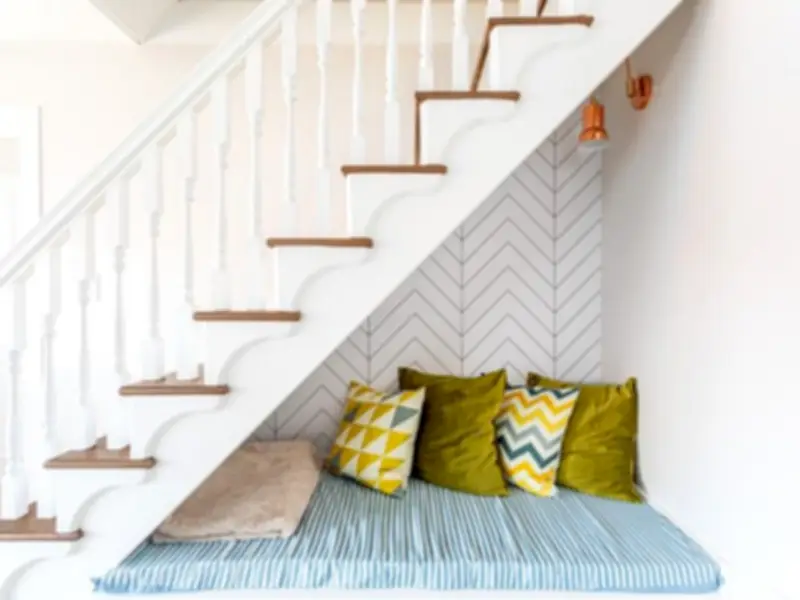
On why this shift is happening, Dengerink points to housing costs. “With the rising cost of real estate, it used to be that people saw their rental place or first home as a starter spot. Now, more and more people are lifetime renters because the cost of living is so high.” Kulkarni explains how that mindset shows up in design thinking: “Designers will look at both form and function. If there is a closet under the stairs, you’re thinking, this could be a great coat closet or storage, but your mind also goes to: what’s the potential for this beyond that?”
Designing ‘Petite Pockets’ in Vancouver Homes
One recent project illustrates exactly how a “petite pocket” can be transformed. “Harold’s office is a really good example. In a small bedroom, we were able to take a nook and turn it into an office,” says Kulkarni. “The space now functions as a guest room or exercise room, but the office can coexist with either. Not only is it used daily, but there is also a window that brings in additional light and makes the room feel bigger.”
Dengerink shares another example: “Maegan’s potting shed is a good example too. A small stand-alone building in the backyard, probably 60 square feet, was retrofitted into a ceramics studio.” Adding a desk space into a closet is a great way to make a bedroom do double duty. This trend reflects a broader movement toward maximizing every inch of living space, especially in high-cost urban areas like Vancouver.