Quebec Minister Introduces Bill to End Double Welcome Tax and Parsonage Exemption
In a significant move to reform real estate taxation, a Quebec minister has introduced a bill aimed at eliminating the double "welcome tax" and removing the longstanding parsonage exemption. This legislative proposal seeks to modernize the province's property tax system, addressing long-standing concerns from homeowners and stakeholders in the housing market.
Key Provisions of the Bill
The bill, presented on March 25, 2026, targets two specific areas of Quebec's tax code. First, it proposes to end the practice of imposing a double welcome tax, which has been a point of contention for many homebuyers. The welcome tax, officially known as the land transfer tax, is currently applied in a manner that can result in higher costs for certain transactions, particularly in urban areas like Montreal.
Second, the legislation aims to abolish the parsonage exemption, a historical provision that has provided tax relief for clergy residences. This exemption has been criticized for being outdated and inequitable in today's diverse real estate landscape.

Impact on Homeowners and the Real Estate Market
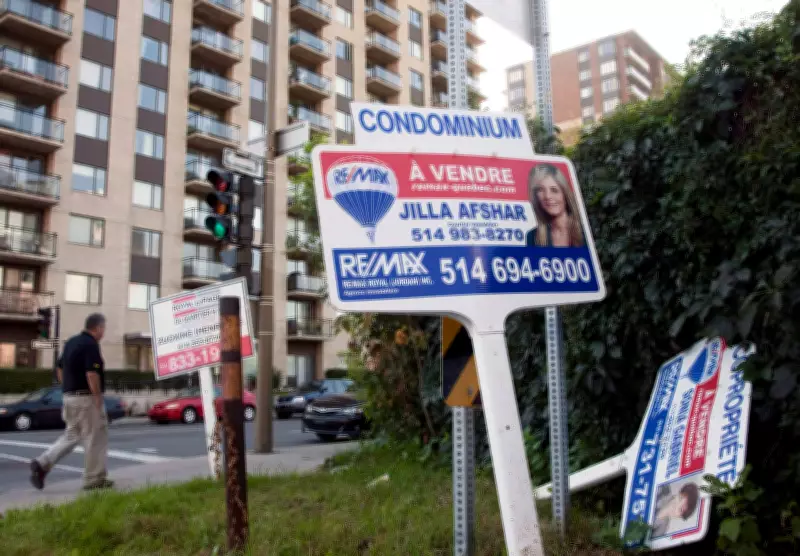
The proposed changes are expected to have a direct impact on homeowners across Quebec. By eliminating the double welcome tax, the bill could reduce upfront costs for buyers, potentially making homeownership more accessible. This is particularly relevant in cities like Montreal, where condominium sales and urban living have driven market activity, as highlighted in recent reports.
Furthermore, removing the parsonage exemption is seen as a step toward creating a more uniform tax system. This move aligns with broader efforts to ensure fairness and transparency in property taxation, reflecting shifts in societal norms and housing needs.
Broader Context and Reactions
This bill comes amid a dynamic real estate environment in Canada, with various provinces implementing measures to address housing affordability and tax equity. In Quebec, the proposal has sparked discussions among policymakers, real estate professionals, and the public. Supporters argue that it will streamline tax processes and reduce burdens on homeowners, while critics may raise concerns about the implications for specific groups, such as religious organizations.
The introduction of this legislation underscores the provincial government's focus on updating fiscal policies to meet contemporary challenges. It also reflects a trend toward reevaluating historical exemptions and taxes in light of current economic and social priorities.
Looking Ahead
As the bill moves through the legislative process, stakeholders will be closely monitoring its progress and potential amendments. If passed, the changes could take effect in the coming years, marking a significant shift in Quebec's approach to real estate taxation. This initiative highlights the ongoing evolution of property tax systems in response to changing market dynamics and public expectations.