

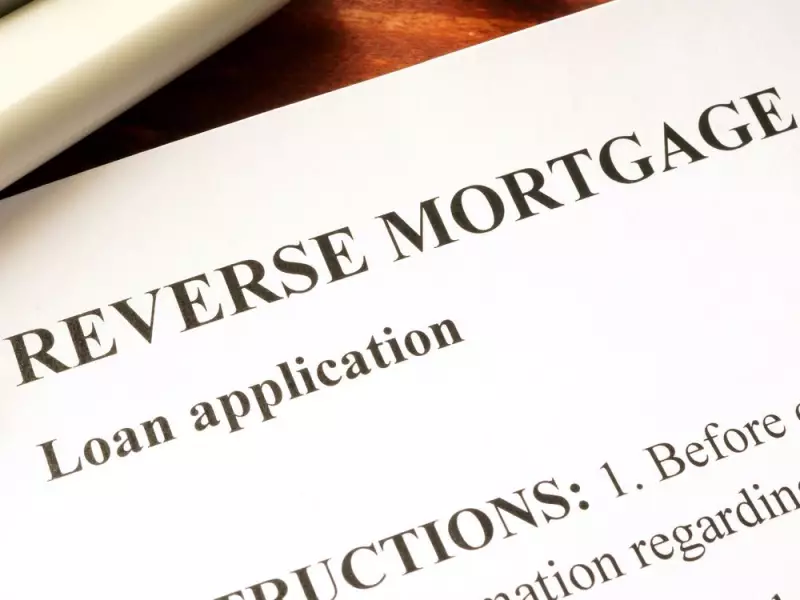
American seniors are increasingly turning to reverse mortgages to cope with financial pressures as persistent inflation and potential government benefit cuts strain retirement budgets. According to recent data, this controversial loan product is experiencing renewed popularity among older homeowners seeking financial relief.
Growing Demand Amid Economic Pressure
The number of federally insured reverse mortgages increased by more than six percent during the 12 months ending September, according to government data compiled by the National Reverse Mortgage Lenders Association. Multiple U.S. lenders confirmed to the Financial Times that sales have jumped significantly this year.
Several major lenders reported dramatic increases in reverse mortgage activity. Finance of America, Longbridge Financial, New American Funding, and Rate all indicated they've seen substantial growth in customers seeking these loans. California-based New American Funding, which manages a $73 billion loan portfolio, reported a 20 percent increase in call inquiries compared to the previous year.

Rate disclosed an impressive 64 percent annual growth in reverse mortgage clients, while Finance of America executives noted they've been consistently meeting or exceeding volume forecasts. "There is definitely a growing appetite for the products," said James Mittleman, an executive at Finance of America.
Why Seniors Are Turning to Reverse Mortgages
The primary drivers behind this trend involve basic financial mathematics no longer working for many retirees. "You've got people living longer with less retirement resources," explained Sarah Edelman, executive vice-president of policy and programs at housing non-profit National Community Stabilization Trust.
Reverse mortgages allow homeowners aged 62 or older to access cash from their home equity while continuing to live in their property. Borrowers must maintain tax and insurance payments, with the loan becoming due when they move out, sell the home, or pass away.
The case of Mark Ferguson, an 80-year-old Washington state retiree, illustrates the typical scenario. Ferguson receives approximately $1,800 monthly in government support and turned to a reverse mortgage with Finance of America eleven months ago. He used the funds to cover unexpected dental crown expenses that his fixed income couldn't accommodate.
Controversial History and Current Context
Reverse mortgages remain controversial due to the risk of foreclosure if borrowers fall behind on tax or insurance payments. The product gained notoriety during the financial crisis when its popularity surged during economic duress.
Despite the recent increase, reverse mortgage volumes remain well below their financial crisis peak and haven't reached the levels seen during the Biden administration. However, the current economic environment—characterized by persistent inflation and concerns about government benefit reductions—is creating conditions similar to previous surges in demand.
As economic pressures continue to squeeze older Americans with fixed incomes, reverse mortgages represent one of the few options available for homeowners to access needed cash without selling their primary residence. The trend highlights the ongoing financial challenges facing retirees in today's economic climate.






