Saint John Transitional Housing Project to Introduce 14 Micro-Suites for Homeless Individuals
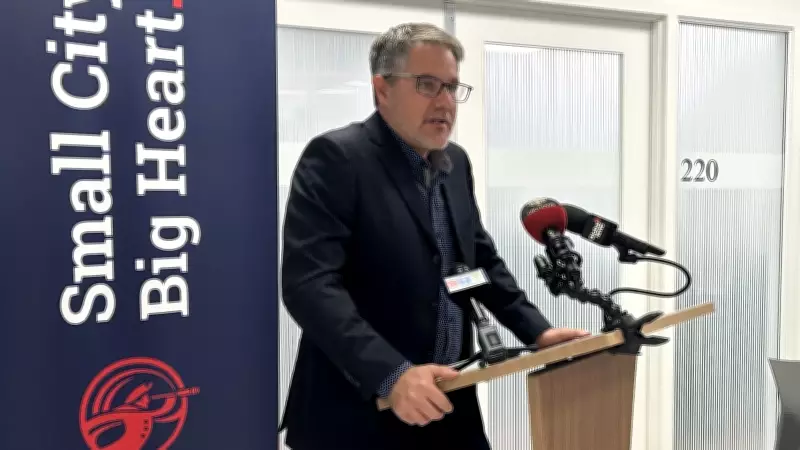
In a significant move to address homelessness in the region, Saint John, New Brunswick, is set to expand its transitional housing capabilities with the addition of 14 micro-suites. This initiative, announced by Marcel Lebrun, executive director of 12 Neighbours Inc., aims to provide more stable and supportive living arrangements for individuals experiencing homelessness.
Enhancing Support Through Innovative Housing Solutions
The new micro-suites represent a modern approach to transitional housing, offering compact, self-contained units designed to foster independence while ensuring access to essential services. According to Lebrun, this expansion is part of a broader strategy to combat homelessness in Saint John by increasing the availability of affordable and dignified housing options.
Transitional housing plays a crucial role in helping individuals transition from homelessness to permanent housing, often providing not just shelter but also support services such as counseling, job training, and healthcare access. The addition of these micro-suites is expected to enhance the capacity of existing facilities, allowing more people to benefit from these comprehensive programs.

Community Impact and Future Prospects
This project underscores the growing recognition of homelessness as a pressing issue in New Brunswick and across Canada. By investing in transitional housing, Saint John is taking proactive steps to reduce street homelessness and improve community well-being. The micro-suites are designed to be cost-effective and scalable, potentially serving as a model for other municipalities facing similar challenges.
Local officials and community leaders have expressed optimism about the project's potential to make a tangible difference in the lives of vulnerable residents. As the housing crisis continues to affect many Canadians, initiatives like this highlight the importance of collaborative efforts between non-profits, government agencies, and the private sector.
With construction and implementation underway, the 14 micro-suites are poised to become operational in the coming months, offering hope and stability to those in need. This development reflects a commitment to social equity and innovative problem-solving in addressing complex urban issues.