South Delta Community Triumphs Over Highrise Development Plans
In a remarkable display of grassroots power, residents of Tsawwassen in South Delta have demonstrated that organized community opposition can indeed influence municipal development decisions. The suburban community, located approximately 25 kilometers south of Vancouver, has successfully halted two separate highrise proposals through determined citizen activism.
"You Vote Yes for Towers, We Vote No to You"
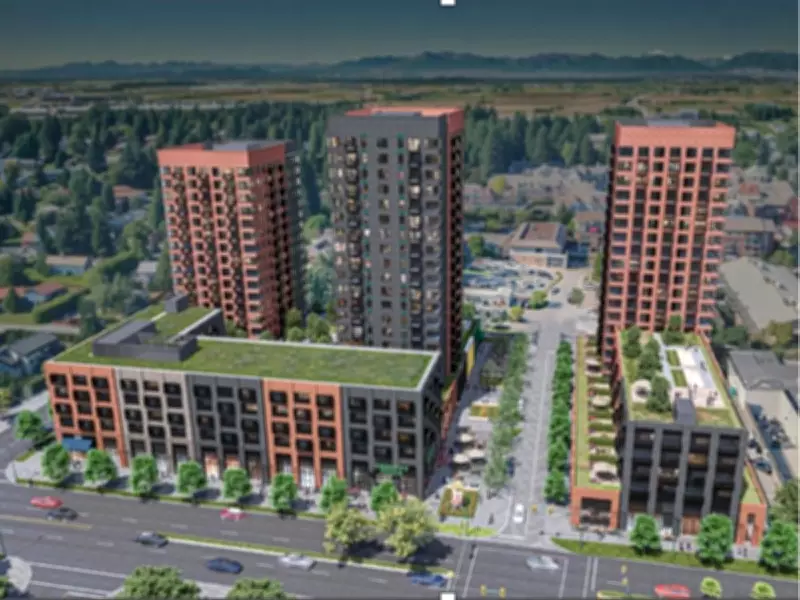
The battle began when Century Group, a long-time landowner in the area, proposed constructing four condo towers ranging from 17 to 21 storeys at the Tsawwassen Town Centre mall complex. Residents responded with visible opposition, displaying signs with messages like "You vote yes for towers, we vote no to you" during council meetings.
Mark Schoeffel, a local resident who became a key organizer, expressed his motivation after visiting downtown Vancouver. "You couldn't get me home quick enough," Schoeffel said, describing how Vancouver's dense highrises overwhelmed him and reinforced his desire to preserve Tsawwassen's low-rise character. "Where you don't see any towers" became a rallying cry for the community of approximately 20,000 people.

Organized Opposition Achieves Rare Victory
Schoeffel, along with fellow activist Bev Yaworski and other South Delta citizens, employed various tactics to organize against the development. Their efforts paid off last spring when Delta council rejected Century Group's initial four-tower proposal. When the developer returned in the fall with a scaled-down plan for three towers, the community successfully halted that proposal as well.
This represents a rare victory in Metro Vancouver, where most municipalities have been moving forward with aggressive densification policies. The provincial NDP government has been implementing legislative strategies for three years to force municipalities to increase housing supply through upzoning and higher density targets.
Political Response and Community-Led Growth
The community pressure appears to have influenced local political leadership. Delta Mayor George Harvie, who is seeking reelection this fall, acknowledged the need to reconsider development approaches during his campaign announcement on April 15.
"We believe in gentle, community-led growth," Harvie stated. "People need to know what to expect in their neighborhoods, and we need to do a better job of creating an official community plan that better reflects this, because the feedback we have received about the first one is that it isn't meeting the mark."
This represents a significant shift from the approach taken by many other Metro Vancouver municipalities. The City of Vancouver, for instance, has been approving hundreds of new rental and condo towers while implementing development plans that reduce public consultation opportunities.
Alternative Proposals and Provincial Implications
While Century Group's website claims Delta council's rejection "sets a terrible precedent for the province," Schoeffel and other residents have suggested alternative approaches. Some citizens have proposed six-storey condo buildings as a compromise between increased density and community character preservation.
Delta's 2024 official community plan had focused on accelerating housing development through measures including permitting multiplexes on virtually any single lot and promoting towers in Tsawwassen and North Delta. The recent community opposition has forced a reconsideration of these density-focused strategies.
The successful resistance in South Delta demonstrates that even in an era of provincial pressure for increased housing density, organized community activism can influence development outcomes and prompt political leaders to prioritize local concerns alongside broader housing goals.