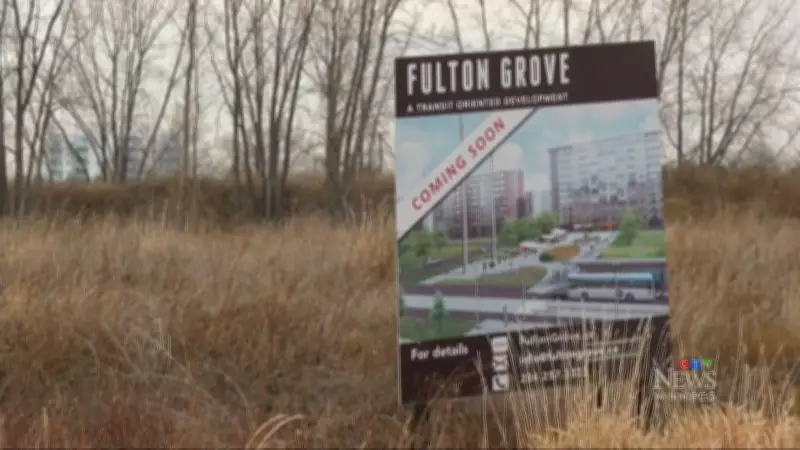
Supreme Court Delivers Final Ruling on Winnipeg's Fulton Grove Development Dispute
In a landmark decision that brings closure to a protracted legal battle, the Supreme Court of Canada has definitively ended the litigation surrounding the Fulton Grove residential project in Winnipeg's Parker Lands area. This ruling concludes years of judicial proceedings and community debate over the controversial development, which has been a focal point of urban planning discussions in Manitoba's capital.
A Complex Legal Journey Reaches Its Conclusion
The legal saga involving the Fulton Grove development has traversed multiple court levels before reaching Canada's highest judicial authority. The case centered on various challenges to the project's approval process, environmental considerations, and compliance with municipal regulations. The Supreme Court's decision represents the final chapter in this complex legal narrative, establishing binding precedent for similar development disputes nationwide.
The court's ruling provides much-needed certainty for all parties involved, including developers, municipal authorities, and community stakeholders who have been awaiting resolution. This clarity comes after extensive legal arguments and deliberations that examined the intersection of property rights, urban development policies, and community interests in growing metropolitan areas.

Implications for Winnipeg's Urban Development Landscape
The Fulton Grove project, situated within the Parker Lands area of Winnipeg, has been a subject of significant public interest and debate since its initial proposal. The development represents a substantial residential initiative that aims to address housing needs while navigating the complexities of urban expansion in established communities.
With the Supreme Court's definitive ruling, municipal planners and developers can now proceed with greater confidence in understanding the legal parameters governing large-scale urban projects. The decision clarifies the boundaries of municipal authority, environmental assessment requirements, and community consultation processes that must accompany significant development initiatives.
The resolution of this case may influence future development proposals across Winnipeg and potentially other Canadian cities facing similar growth challenges. Urban planners and legal experts will likely study the ruling's implications for balancing development objectives with community concerns and regulatory compliance.
Broader Context of Urban Development Challenges
This Supreme Court decision arrives at a time when Canadian cities are grappling with competing priorities of housing availability, sustainable development, and community preservation. The Fulton Grove case exemplifies the tensions that can arise when ambitious development plans intersect with established neighborhoods and environmental considerations.
The legal resolution provides an important reference point for municipalities, developers, and community groups navigating similar disputes. It establishes clearer guidelines for the approval processes of major residential projects while affirming the importance of thorough environmental and community impact assessments.
As Winnipeg continues to evolve and expand, the lessons from the Fulton Grove legal saga will inform future urban planning decisions and development approaches. The Supreme Court's ruling not only concludes this specific case but also contributes to the evolving jurisprudence surrounding urban development in Canada's growing metropolitan centers.