Toronto-Area Drug Networks Extend Reach into Northern First Nations, Sparking Tragedy
The expansion of drug trafficking operations from the Greater Toronto Area into the remote and vulnerable First Nations communities of Northern Ontario has escalated into a severe public health and safety crisis. Law enforcement agencies report a disturbing trend where organized criminal groups are deliberately targeting these isolated regions, leading to a surge in addiction, violence, and community devastation.
Organized Crime Exploits Geographic and Social Vulnerabilities
Police investigations reveal that dealers from southern urban centers are capitalizing on the limited infrastructure and economic challenges faced by many Northern Ontario First Nations. The relative isolation of these communities, combined with higher rates of poverty and fewer social services, creates an environment where illicit drugs can spread rapidly. Traffickers often use sophisticated networks to transport substances like fentanyl, methamphetamine, and cocaine northward, bypassing traditional law enforcement checkpoints.
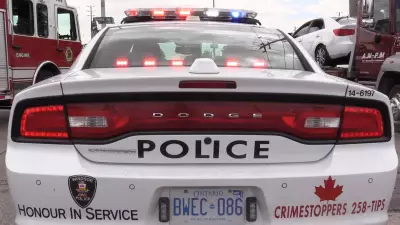
Thunder Bay Police Service has documented a significant increase in drug-related incidents over the past two years, with connections traced back to Toronto-area suppliers. "We are seeing a deliberate push into these communities, and the consequences are tragic," stated a senior police official, who emphasized the strain on local resources.
First Nations Leaders Describe Overwhelming Impact
Community leaders in affected First Nations describe the situation as catastrophic. The influx of drugs has exacerbated existing mental health and addiction issues, leading to higher rates of overdose deaths, family breakdowns, and criminal activity. Many communities lack adequate healthcare facilities or addiction treatment programs, making it difficult to address the crisis effectively.
"This is not just a law enforcement issue; it's a humanitarian crisis," said one First Nations chief. "Our people are suffering, and we need coordinated support from provincial and federal governments to provide prevention, treatment, and economic opportunities that can counteract these criminal influences."
Law Enforcement and Community Responses
Efforts to combat the problem include increased police patrols, cross-jurisdictional task forces, and community-led initiatives aimed at youth engagement and drug education. However, officials acknowledge that enforcement alone is insufficient. There is a growing call for integrated strategies that address the root causes, such as:
- Enhancing mental health and addiction services in remote areas
- Improving economic development and job creation
- Strengthening community policing and cultural support programs
- Increasing funding for social services and infrastructure
The situation highlights broader issues of systemic inequality and the need for targeted policies to protect vulnerable populations from exploitation by organized crime. As the drug trade continues to evolve, the urgency for comprehensive action grows, with community leaders warning that without immediate intervention, the tragedy will only deepen.