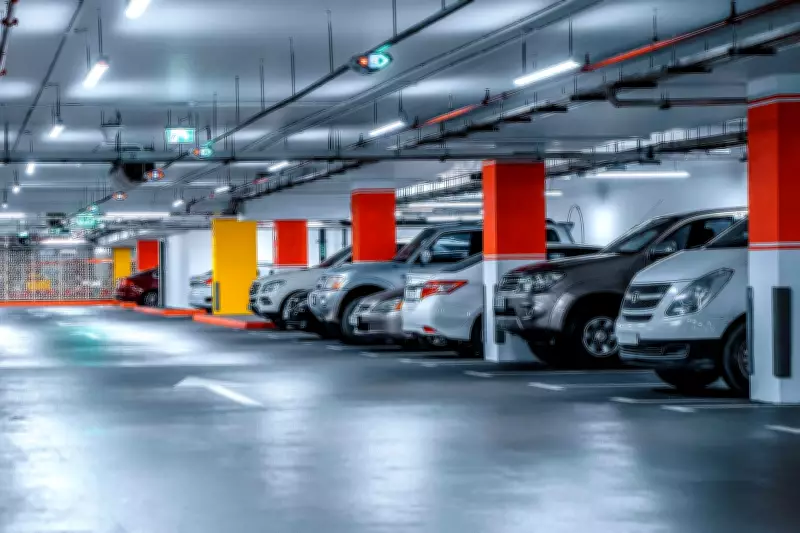
In Toronto's condo market, a parking spot can be one of the most expensive features a buyer will pay for. According to a recent report by Wahi, the cost of condo parking varies dramatically across the city. The analysis compares the median sale prices of similar one-bedroom units with and without parking, revealing just how much value the market places on the amenity.
GTA Neighbourhoods Where Parking Is Most Expensive
In some neighbourhoods, particularly in downtown Toronto, the premium for parking can exceed $200,000, significantly increasing the overall purchase price of a condo. These higher costs are largely driven by limited supply and strong demand, especially in older buildings where parking spaces are scarce and difficult to add. On average, condos with parking are also selling as much as two-and-a-half weeks faster than comparable units without parking, depending on the location.
Today's condo buyers are prioritizing larger, more livable units with features such as parking. The report highlights how the value of parking is closely tied to location. In general, condos in older, established, centrally located neighbourhoods commanded the highest premium for parking. In 13 neighbourhoods across the GTA, the difference between the median price of a one-bedroom condo with parking and one without was $100,000 or more.

Suburban Areas Offer Lower Premiums
In more suburban parts of Toronto, where developments tend to include more parking, the added cost is often far lower. In some cases, the premium may only be a fraction of what buyers would pay downtown, reflecting differences in both supply and lifestyle needs. Wahi identified nine neighbourhoods in which one-bedroom units with parking cost no more than $50,000 more than those without parking.
For buyers, this creates an important decision point. Choosing a unit with parking can mean a significantly higher upfront cost, but it may also improve resale value and marketability down the line. On the other hand, buying a condo without parking could offer substantial savings, particularly for those who rely on transit or don't own a vehicle.
Broader Market Trends
The findings also reflect a broader trend in Toronto's housing market. Following the city's 2022 elimination of minimum parking requirements, as the city continues to grow and densify, developers are often building fewer or no parking spaces to reduce construction costs. The shift toward denser transit-oriented living has contributed to tighter supply, particularly in central neighbourhoods, where demand for parking remains strong.
Ultimately, the report suggests that parking has become a major financial consideration for condo buyers, not just an afterthought. Whether it's worth the price depends on where you're buying, your budget, and your lifestyle.
Benjy Katchen is the CEO of Wahi, a digital real estate company that redefines the homebuying experience by putting more power into consumers' hands. Visit www.wahi.com