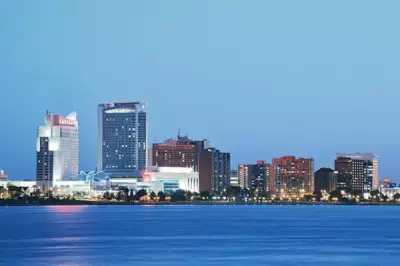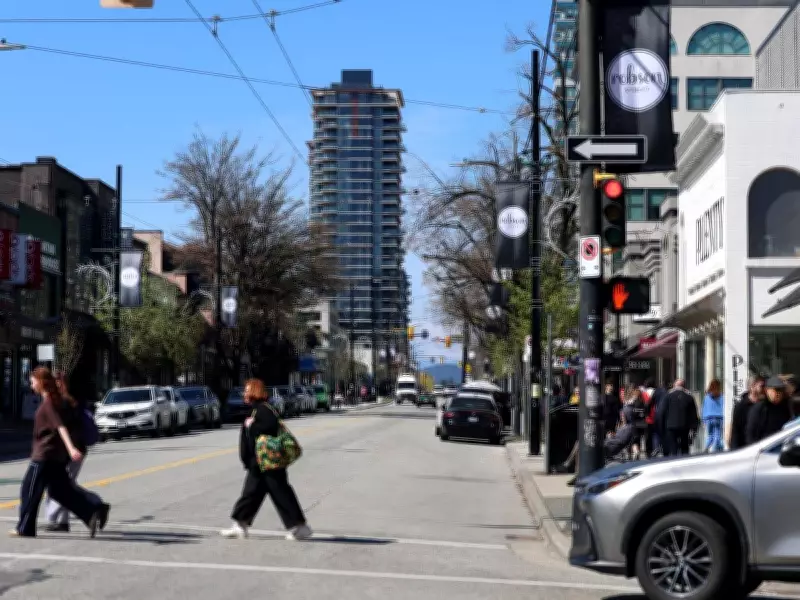
The latest annual report from the Downtown Vancouver Business Improvement Association presents a complex picture of recovery for the city's core business district, indicating stabilization in some areas while significant challenges persist in others. According to the comprehensive analysis, retail vacancy rates have finally begun to stabilize across most of downtown Vancouver, including along the historically troubled Granville Street corridor.
Cautious Optimism from Business Leaders
"When I look at where we were last year, this is an improved report," stated Jane Talbot, CEO of the Downtown Vancouver BIA, expressing measured optimism about the district's trajectory. "I think next year will be even better." This cautious outlook comes despite continuing public safety concerns that have plagued the downtown area for several years, with some business owners reporting ongoing issues with public disorder affecting consumer confidence.
Retail Sector Shows Promising Signs
Downtown Vancouver's storefront vacancy rate dropped to 12.7 percent in 2025, marking the lowest level in three years. This improvement occurred despite the high-profile closure of the Hudson's Bay Company flagship store in June of that year. The district recorded a net gain of 29 storefront businesses overall, with 17 net new restaurants and 13 net new retail stores opening their doors.

On Granville Street specifically, where approximately one-in-four storefronts remain empty, there was a notable 15 percent reduction in retail vacancies last year. Talbot acknowledged this as a significant improvement while emphasizing that substantial work remains to revitalize the area completely.
Office Vacancies Present Ongoing Challenge
While retail shows signs of recovery, office vacancies tell a different story. Office vacancy in the downtown BIA reached 12.3 percent in 2025, a figure dramatically higher than the pre-COVID-19 low of roughly two percent recorded in 2019. Despite this increase, vacancy rates within the BIA remain among the lowest in major North American markets, according to the report's comparative analysis.
The completion of nearly 2.5 million square feet of newly built office space over recent years has created a tenant-friendly market where businesses can afford to be selective about their locations. "The demand side is a lot quieter overall," observed Roy Gibbs, a commercial real estate broker at NIA Commercial with decades of experience in the Vancouver market. "A lot of tenants are just choosing to renew in their current locations."
Safety Concerns Continue to Impact Business Decisions
Despite the positive indicators in retail stabilization, safety issues continue to influence business decisions in the downtown core. "Businesses don't want to open when there's people openly urinating and defecating and breaking windows and scaring away tourists and consumers," explained Dan Smith, a commercial real estate broker at Reliance Properties, highlighting the persistent challenges facing some areas.
Visitor numbers to downtown Vancouver held steady from the previous year, and several thousand new hotel rooms are currently in development, suggesting potential for future growth in tourism-related sectors. Smith pointed to Pacific Centre as a model for successful retail operations even in challenging environments, noting that the shopping center "has done a really good job of keeping a good tenant mix and making it safe for consumers, whereas other malls and other parts of town, the retail locations haven't done as well."
Investment in Modernization Needed
Gibbs emphasized that property owners must invest in modernizing their spaces to remain competitive in the current market. Without such upgrades, landlords risk sitting on empty commercial space for extended periods as tenants gravitate toward newer, more appealing properties.
The report suggests that while downtown Vancouver's business district shows promising signs of stabilization in retail sectors, the recovery remains uneven. Office vacancies continue to present significant challenges, and public safety concerns persist in certain areas, creating a mixed landscape for businesses operating in or considering moving to the downtown core.