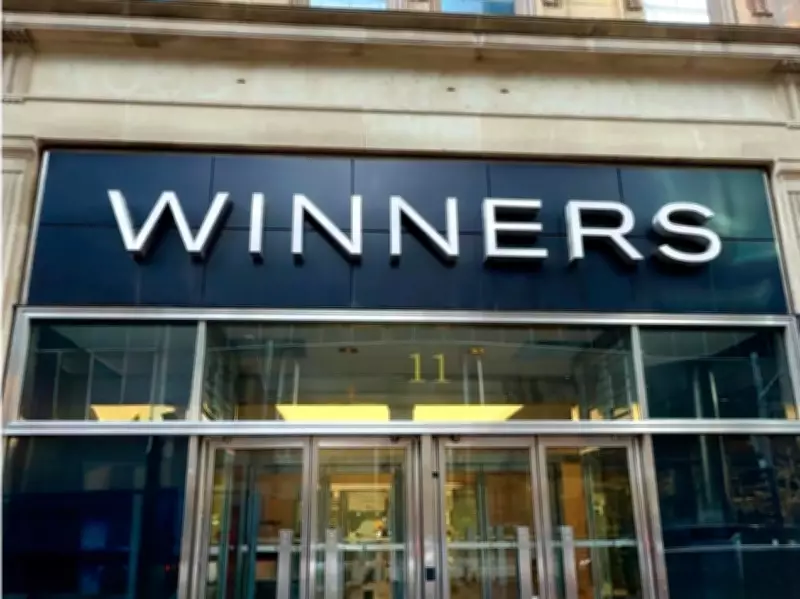
Winners Stores Close Washrooms Amid Safety Concerns Over Needles and Feces
Customers across Canada are expressing frustration as Winners, HomeSense, and Marshalls locations have temporarily shut down public washrooms, citing severe safety and cleanliness issues. The closures have sparked a heated debate on social media, with many shoppers complaining about the inconvenience while employees defend the move as necessary for their well-being.
Social Media Outcry Over Washroom Accessibility
Shoppers have taken to Facebook groups and X to highlight washroom closures in cities including Toronto, Montreal, Ottawa, Thunder Bay, and Calgary. Many report that facilities are locked and inaccessible, leaving them without a place to go during shopping trips. This has led to widespread complaints, particularly from those with medical conditions that require frequent restroom access.
One customer commented, "As someone who suffers from IBS, the accommodation is necessary!" Another added, "This is bad for people with medical needs such as Crohn's Disease or Colitis. They legally have to let people with a medical condition use the bathroom." Some have even started boycotting stores that keep washrooms closed, emphasizing the importance of public accessibility.

Employee Safety Concerns Justify Closures
In response to the backlash, employees have defended the shutdowns, pointing to alarming discoveries in the washrooms. Staff report finding used needles on floors, feces smeared across walls and stalls, and security tags flushed down toilets. These incidents have raised serious safety concerns, with workers arguing that cleaning up after such messes is not only unpleasant but also hazardous.
"As someone who has to deal with the cleaning of the washrooms, you would understand if you had to do so," one employee wrote on a Facebook page. Another noted, "Cleaning after strangers is not fun—you let 200 people use your washroom and see how you like cleaning it. You don't know what illnesses people are carrying." A third chimed in, describing the bathrooms as "really gross" and unsuitable for changing babies.
Underlying Issues: Drug Use and Shoplifting
The problem extends beyond mere cleanliness, with many linking the washroom issues to broader social challenges. Employees and some customers argue that the closures are a safety measure against drug use and overdoses, which have become weekly occurrences in some locations. Homeless individuals and drug users are often cited as using public washrooms for substance abuse, leading to dangerous situations.
One person explained, "Drug addicts use the washrooms to do drugs. Wipe their needles in the rolls of toilet paper. Nod out or overdose and the poor managers have to deal with it." Shoplifters are also blamed, as thieves allegedly use washrooms to conceal stolen items or remove security tags. "These stores can't pay for bathroom security nor should they have to!" another commenter asserted.
Company Response and Possible Solutions
A spokesperson for Winners and HomeSense told CBC News that stores have not permanently shut down their bathrooms but may temporarily close them for various reasons. The company has not provided further details, leaving customers and employees to speculate on long-term fixes.
Some shoppers have proposed solutions, such as implementing locked bathrooms with keys available from clerks or charging a small fee for use, similar to practices in Europe. "Make people PAY to use the bathroom. That's it. It's all over Europe and it works very well," one commenter suggested. Others, however, downplayed the issue, with one writing, "Are you going to the stores to shop or take a pee?" and another recommending adult diapers as an alternative.
Balancing Public Needs with Safety
The washroom closures at Winners stores highlight a growing tension between providing public amenities and ensuring employee safety. While customers with health conditions rely on accessible restrooms, the risks posed by drug use and vandalism cannot be ignored. As the debate continues, it raises questions about the future of public washrooms in retail spaces across Canada and whether innovative solutions can bridge the gap between convenience and security.