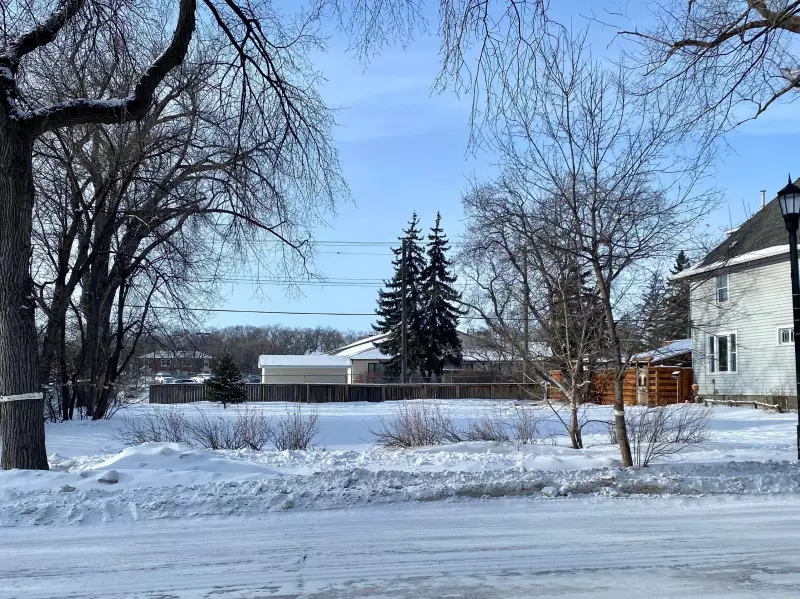
Winnipeg's West End Green Space Removed from Housing Plan Now Faces Rezoning
A city-owned property on Sherburn Street in Winnipeg's West End, which was notably excluded from a supportive housing initiative, is now under consideration for rezoning to parks and recreation space. This development marks a significant shift in the city's urban planning strategy, highlighting ongoing debates over land use and community needs.
Background and Context
The lot, previously earmarked for potential supportive housing, was removed from that plan following community feedback and logistical concerns. Supportive housing aims to provide affordable living options with on-site services for vulnerable populations, but this specific site faced opposition due to its location and environmental value.
Now, city officials are exploring rezoning the property to designate it as parks and recreation space. This move could preserve the area as a green space, offering residents a natural retreat and recreational opportunities in an urban setting.

Implications for the Community
Rezoning the lot to parks and recreation space would have several impacts on the West End community:
- Enhanced Green Infrastructure: It would contribute to Winnipeg's network of parks, promoting outdoor activities and environmental sustainability.
- Community Health Benefits: Access to green spaces is linked to improved mental and physical well-being, addressing broader public health goals.
- Urban Planning Balance: This decision reflects a careful balancing act between development needs and preserving natural areas in growing cities.
The proposal is part of a larger trend in Canadian municipalities prioritizing green spaces amid urban expansion. Cities like Toronto and Vancouver have implemented similar measures to combat urban sprawl and enhance livability.
Next Steps and Public Input
City committees will review the rezoning proposal, with opportunities for public consultation. Residents and stakeholders can provide feedback on the potential conversion, ensuring community voices are heard in the decision-making process.
If approved, the rezoning could set a precedent for future land use decisions in Winnipeg, emphasizing the importance of adaptable urban policies that respond to changing societal needs.
This case underscores the complex interplay between housing development and environmental conservation, a challenge faced by many Canadian cities as they navigate growth and sustainability.