Downtown Winnipeg's Heritage Buildings Transformed into Housing to Revitalize Core
The city of Winnipeg is embarking on an ambitious initiative to convert its historic downtown buildings into much-needed housing units, aiming to bring more residents and vitality to the urban core. This strategic move represents a significant shift in urban planning, focusing on adaptive reuse rather than new construction.
Historic Structures Find New Purpose
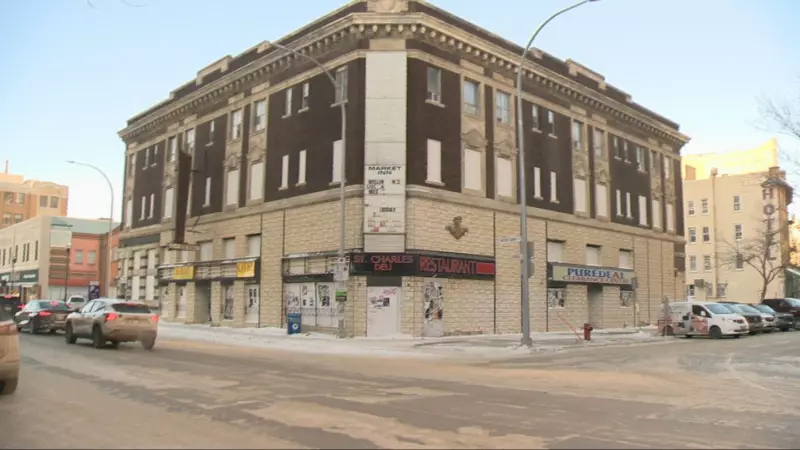
Among the prominent buildings undergoing transformation is the old St. Charles Hotel, a landmark structure that will soon be converted into modern residential units. This approach preserves Winnipeg's architectural heritage while addressing the pressing need for more housing options in the downtown area.
The conversion of heritage buildings into residential spaces offers multiple benefits beyond simply increasing housing stock. These projects maintain the character and historical significance of Winnipeg's downtown while making efficient use of existing infrastructure. The strategy aligns with sustainable urban development principles by reducing the need for new construction materials and minimizing environmental impact.

Addressing Urban Density Challenges
Winnipeg's downtown revitalization efforts through housing conversion come at a critical time for urban centers across Canada. Many cities are grappling with how to increase residential density in their cores while preserving historical character and creating vibrant, livable communities.
The transformation of commercial and institutional buildings into residential units represents a practical solution to several urban challenges. It helps combat urban sprawl by encouraging more people to live in the city center, reduces commuting pressures, and supports local businesses through increased foot traffic from residents.
Economic and Social Implications
This housing strategy has significant economic implications for Winnipeg. By bringing more residents downtown, the city can expect:
- Increased support for local businesses and restaurants
- Enhanced public safety through more eyes on the street
- Greater utilization of public transportation systems
- Improved tax base for municipal services
- Preservation of historical assets that might otherwise deteriorate
The social benefits are equally important. Creating more housing options in the downtown core makes the city more accessible to diverse populations, including students, young professionals, and empty-nesters seeking urban living experiences.
Future Development Prospects
As Winnipeg moves forward with these conversion projects, urban planners are examining additional heritage buildings that could be suitable for residential adaptation. The success of initial projects like the St. Charles Hotel conversion will likely influence future development decisions and set precedents for similar initiatives across Canada.
The approach demonstrates how cities can creatively address housing shortages while honoring their historical legacy. As more heritage buildings find new life as residential spaces, Winnipeg's downtown is poised to become a more dynamic, populated, and sustainable urban environment for years to come.