Winnipeg's Holdout Homes: Stubborn Survivors of Urban Evolution
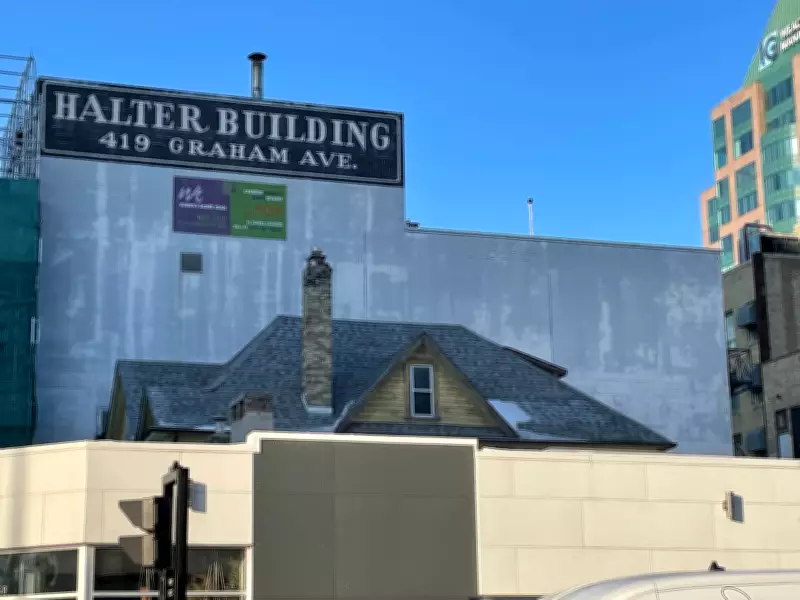
In the heart of Winnipeg, a collection of stubborn or lonely houses stands as silent witnesses to the city's rich and often overlooked history. These holdout homes, which have resisted the tide of development and modernization, provide a fascinating glimpse into Winnipeg's architectural and social past. By examining these resilient structures, we uncover stories of perseverance, community, and the changing face of urban landscapes.
The Resilience of Winnipeg's Architectural Heritage
Winnipeg is home to several holdout homes that have managed to survive despite surrounding redevelopment. These houses, often isolated amidst newer buildings or vacant lots, represent a stubborn refusal to conform to contemporary urban planning trends. Their existence highlights the city's historical layers, from early settlement periods to industrial booms and beyond. Each holdout home tells a unique tale of the families who lived there, the neighborhoods that grew around them, and the economic shifts that shaped Winnipeg's growth.
For instance, some of these homes date back to the late 19th or early 20th centuries, when Winnipeg was a burgeoning hub of trade and immigration. They have weathered economic downturns, population changes, and architectural trends, remaining as tangible links to bygone eras. Their preservation, whether intentional or accidental, offers valuable insights into construction techniques, materials, and lifestyle of past generations.

Uncovering the Stories Behind the Stubborn Structures
The histories of Winnipeg's holdout homes are often little-known, buried in archives or oral traditions. Research into these properties reveals narratives of determination, such as homeowners who refused to sell to developers during expansion phases, or communities that rallied to protect local landmarks. These stories underscore the emotional and cultural significance of place, showing how individual actions can influence urban development.
Moreover, these homes serve as educational tools for understanding Winnipeg's evolution. They illustrate shifts in zoning laws, property values, and societal priorities over time. By studying their contexts, historians and residents alike can appreciate the complexities of city planning and the importance of preserving heritage amidst progress.
The Broader Implications for Urban Preservation
Winnipeg's holdout homes are not just curiosities; they raise important questions about urban preservation and identity. In an era of rapid development, these structures challenge us to consider what we value in our built environment. They remind us that cities are not just collections of buildings, but living histories shaped by human choices and chance events.
Efforts to document and protect these homes can foster a deeper connection to Winnipeg's past, encouraging community engagement and heritage conservation. As cities worldwide grapple with balancing growth and history, Winnipeg's experience with holdout homes offers lessons in resilience and the enduring power of place.
In conclusion, Winnipeg's stubborn holdout homes are more than mere relics; they are vibrant testaments to the city's dynamic history. By exploring their stories, we gain a richer understanding of Winnipeg's identity and the ongoing dialogue between preservation and progress in urban spaces.