Nvidia has successfully cleared the high bar set by Wall Street analysts, reporting impressive quarterly earnings that surpassed expectations despite mounting concerns about a potential artificial intelligence bubble. The chipmaker's performance, announced on November 19, 2025, demonstrates the company's continued dominance in the AI technology sector.
Strong Performance Defies Market Concerns
The earnings report comes at a critical time when investors and analysts have been questioning the sustainability of the AI boom. Nvidia's ability to exceed lofty expectations provides reassurance to markets that have been increasingly nervous about overvaluation in the artificial intelligence space. The company's results were closely watched as a bellwether for the broader AI industry.
Leadership in Challenging Times
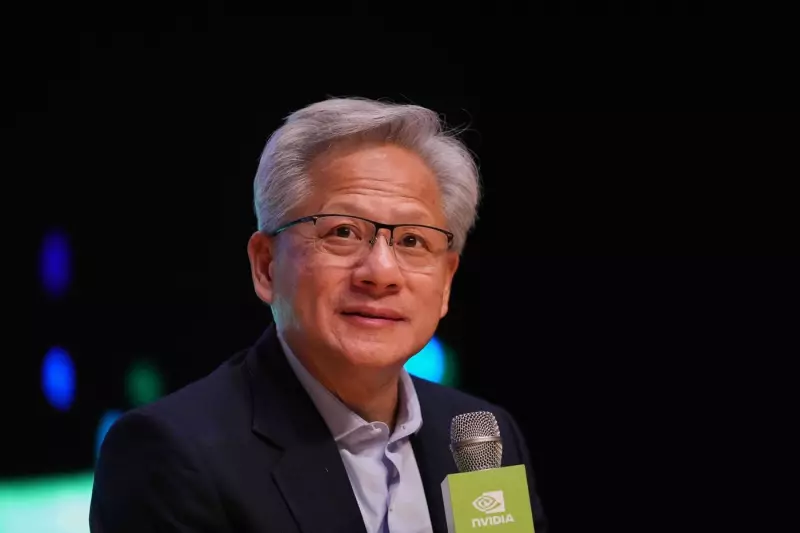
Under the guidance of CEO Jensen Huang, who recently appeared at the Asia-Pacific Economic Cooperation (APEC) CEO summit in Gyeongju, South Korea, Nvidia has maintained its position as a market leader. Huang's vision for the company has been instrumental in navigating the complex landscape of AI development and commercialization. The October 31 appearance at the APEC summit highlighted Nvidia's global influence in technology innovation.

Broader Market Implications
The positive earnings report from Nvidia contributed to broader market gains, with tech stocks helping to push the S&P/TSX composite higher. U.S. markets also experienced upward momentum as investors gained confidence from Nvidia's performance. This development occurs alongside other significant business news, including ongoing discussions about Alberta-Ottawa energy agreements and federal public service cuts.
While concerns about an AI bubble persist, Nvidia's strong quarterly results suggest that demand for advanced computing technology remains robust. The company's ability to deliver despite heightened expectations indicates that the artificial intelligence revolution may have more substantial foundations than some skeptics have suggested.