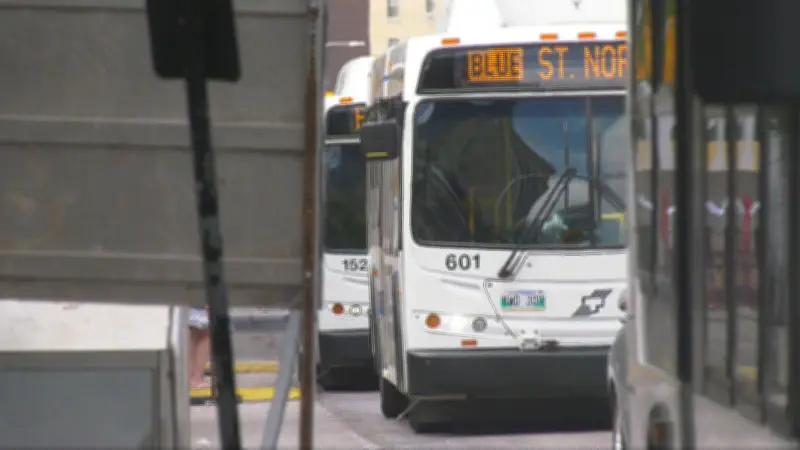
Winnipeg Transit is facing a revenue shortfall of approximately $20 million, significantly higher than previously predicted, according to a city report released Tuesday. The deficit, which surpasses earlier estimates by millions, has prompted discussions about potential service reductions and fare increases to balance the budget.
Revenue Decline Exceeds Expectations
The report, presented to the city's finance committee, reveals that transit revenues have fallen short by $19.8 million for the current fiscal year. This figure is nearly double the initial forecast of a $10 million gap. Officials attribute the shortfall to lower-than-expected ridership and reduced fare income, partly due to ongoing shifts in commuting patterns post-pandemic.
"This is a significant challenge," said a city spokesperson. "We are exploring all options to address the deficit while maintaining essential services for riders."

Potential Impacts on Service
The shortfall could lead to cuts in bus routes, reduced frequency on less popular lines, and possible fare hikes. Transit advocates warn that such measures could disproportionately affect low-income residents and essential workers who rely on public transportation.
"Any reduction in service would be devastating for many Winnipeggers who depend on the bus to get to work, school, and medical appointments," said a local transit advocate.
City Council to Debate Solutions
City council is expected to debate the report and potential solutions in the coming weeks. Options include reallocating funds from other departments, increasing fares, or seeking provincial assistance. The city has also considered implementing a temporary fuel tax to generate additional revenue.
Mayor Scott Gillingham acknowledged the difficulty of the situation. "We need to find a balanced approach that ensures the sustainability of our transit system without placing an undue burden on taxpayers," he said.
Context and Comparisons
Winnipeg Transit is not alone in facing financial pressures. Transit agencies across Canada have struggled with declining ridership and rising costs since the pandemic. However, the magnitude of Winnipeg's shortfall is notable, as it exceeds that of many comparable cities.
The report also highlights that operating costs have risen by 5% due to inflation and fuel prices, further straining the budget. Without intervention, the deficit could grow to $25 million by year-end.
Next Steps
The finance committee will hold public consultations before making recommendations to council. Residents are encouraged to provide feedback on proposed changes. A final decision on the budget is expected by late July.
For now, Winnipeg Transit continues to operate its regular schedule, but riders are advised to stay informed about potential changes.