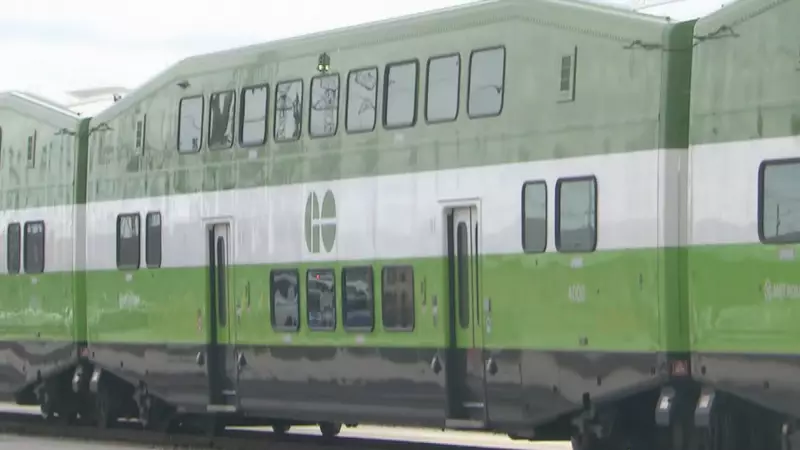
More than a thousand residents from Bradford West Gwillimbury have united their voices, demanding significant improvements to the local GO Train service. This collective action highlights the growing frustration among commuters who rely on this critical transit link.
Mounting Pressure for Transit Solutions
The movement, which gained traction in November 2025, saw over 1,000 residents formally expressing their concerns. The core issues revolve around the current service being inadequate for the community's needs. Commuters report persistent problems with overcrowding on trains and a schedule that fails to offer enough options, particularly during peak hours and on weekends.
This public outcry is not an isolated incident but reflects the challenges of a growing community. As populations expand in areas surrounding the Greater Toronto Area, the pressure on existing transit infrastructure intensifies. The petition from Bradford residents serves as a direct message to transportation authorities that the status quo is no longer acceptable.

The Human Impact of Insufficient Service
For daily riders, the shortcomings of the GO Train service translate into real-world difficulties. Overcrowded carriages make for uncomfortable and often stressful journeys. The limited schedule can force residents to alter their workdays, limit social activities, and reduce their overall mobility.
The demand for better service is fundamentally a call for improved quality of life. Reliable and frequent public transit is a cornerstone of suburban connectivity, enabling access to employment, education, and services in the broader region. The residents of Bradford are advocating for a system that matches their community's vitality and growth.
A Call for Action and Response
The petition, with its substantial number of signatures, is a clear signal to Metrolinx, the provincial agency overseeing GO Transit. It formally requests a review of the current service levels and a commitment to enhancements. These could include adding more train trips, increasing the number of cars on existing trains to alleviate crowding, and potentially exploring service extensions.
While the original news report from November 13, 2025, did not include an immediate official response, the scale of this community effort is likely to prompt a reaction from decision-makers. The situation in Bradford underscores a broader conversation about investing in sustainable transit infrastructure to keep pace with Ontario's development.