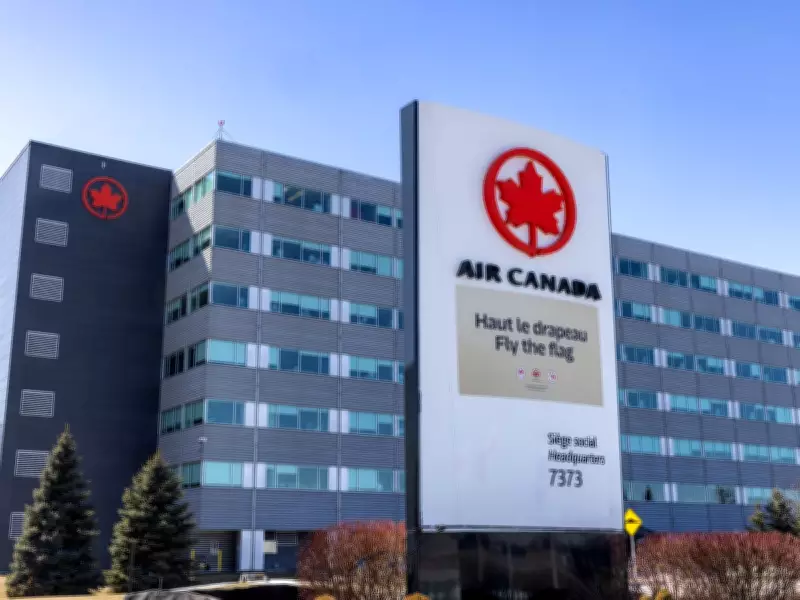
Air Canada is set to initiate a pilot project aimed at addressing the extensive backlog of customer complaints that has plagued the airline industry, leaving thousands of travelers waiting months for resolutions. The Canadian Transport Agency (CTA) currently faces a staggering backlog of approximately 95,000 complaints, prompting Air Canada to explore an alternative approach to streamline dispute settlements under Canada's Airline Passenger Protection Regulations (APPR).
Pilot Program Details and Objectives
The airline plans to test the effectiveness of a new system that could serve as an alternative to the CTA's resolution process. Marc Barbeau, Air Canada's executive vice-president and chief legal officer, emphasized the urgency of reducing resolution timeframes, noting that prolonged delays undermine customer confidence and create financial uncertainties. "We know our customers would like to see the resolution timeframe reduced, for obvious reasons, but we also have a vested and important interest in that," Barbeau stated during a recent call with journalists.
How the Pilot Works
Under the pilot program, Air Canada will invite 500 customers with outstanding claims filed with the CTA to participate. These randomly selected individuals will have their disputes reviewed by a third-party provider of alternative dispute resolution (ADR) within 90 days. Participants must volunteer to transfer information from their CTA claims to the ADR provider, with no obligation to accept the results or forfeit their position in the CTA's queue.

The outcomes decided under this pilot will be binding for Air Canada but not for the customer, unless they choose to accept them. This flexibility ensures that travelers retain their rights while potentially benefiting from a faster resolution process. Barbeau highlighted that currently, about 75 percent or more of CTA resolutions side with Air Canada, suggesting room for improvement in fairness and efficiency.
Partnership and Consultation
Air Canada has consulted with Transport Canada and the CTA in designing the pilot project, selecting Canada Aviation Dispute Resolution (CADR) as its arms-length partner. CADR, a subsidiary of The CDRL Group, is a not-for-profit firm certified in several European countries to handle aviation-related ADR services. This partnership aims to deliver impartial and reasoned responses to customer claims, leveraging expertise from international models.
"For customers, based on experience elsewhere, ADR is expected to deliver a fast, impartial, and reasoned response to their claims," Barbeau explained. "For airlines, it has the potential to address customer concerns, bring efficiency and consistency to the process, and reduce issues associated with unresolved claims by shortening the adjudication timeline."
Broader Implications for the Industry
This initiative comes amid ongoing challenges in the airline sector, including high gas prices and operational inefficiencies. By testing an ADR-based approach, Air Canada seeks to not only alleviate its own backlog but also set a precedent for other carriers grappling with similar issues. The pilot represents a proactive step toward enhancing customer satisfaction and restoring trust in air travel services.
If successful, the program could lead to broader adoption of alternative dispute resolution mechanisms across Canada's aviation industry, potentially reducing reliance on overwhelmed regulatory bodies like the CTA. As the pilot unfolds, stakeholders will closely monitor its impact on complaint resolution times and customer feedback.