Lebanese President Joseph Aoun declared on Friday that Lebanon is entering a "new phase" focused on establishing "permanent agreements" in the aftermath of a 10-day ceasefire in the recent Israel-Hezbollah war. This announcement marks a significant shift in the country's approach to regional conflicts and its own sovereignty.
A New Era of Sovereignty
In a speech delivered to the Lebanese people, Aoun emphasized that Lebanon has reclaimed its decision-making power after decades of external influence. "Today, we negotiate for ourselves... we are no longer a pawn in anyone's game, nor an arena for anyone's wars, and we never will be again," he stated firmly. This declaration comes just one day after U.S. President Donald Trump announced the truce, which has brought a temporary halt to hostilities.
The Path to Ceasefire
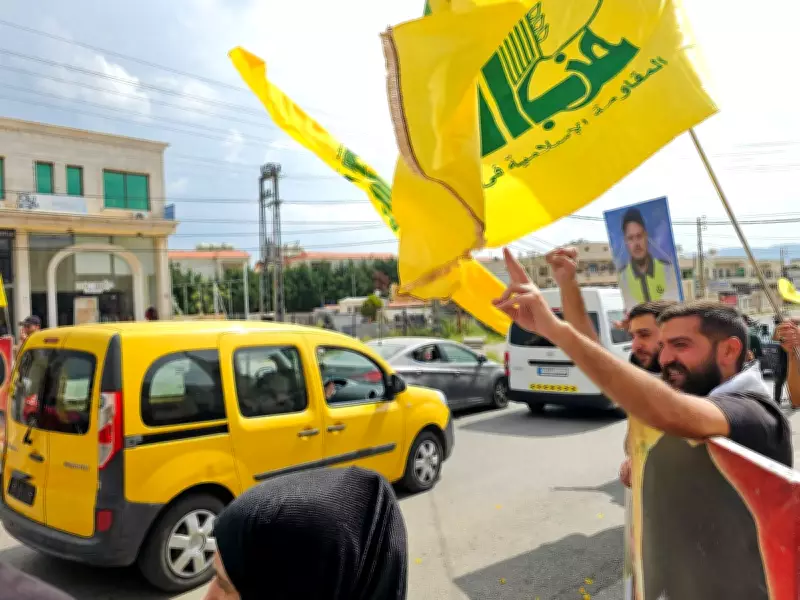
The conflict escalated on March 2 when Hezbollah, the Iran-backed militant group, launched attacks against Israel in retaliation for the death of Iranian supreme leader Ali Khamenei. Israel responded with extensive airstrikes and a ground offensive, resulting in nearly 2,300 fatalities and displacing over a million people in Lebanon. The violence underscored the fragile nature of peace in the region.

"Now, we all stand before a new phase," Aoun said in his first national address since the truce took effect. "It is the phase of transition from working on a ceasefire to working on permanent agreements that preserve the rights of our people, the unity of our land, and the sovereignty of our nation."
Government Actions Against Hezbollah
Since Aoun and Prime Minister Nawaf Salam assumed office last year, the Lebanese government has taken unprecedented steps to curb Hezbollah's influence. These measures include a commitment to disarm the group following a November 2024 ceasefire and a ban on its military activities at the onset of the recent war. Hezbollah, which retained its weapons after the 1975-1990 civil war under the guise of "resistance" against Israel, has long been a source of internal strife in Lebanon's sectarian landscape.
International Involvement and Future Talks
Aoun expressed gratitude to all parties who contributed to achieving the ceasefire, notably Saudi Arabia and President Trump. Trump has indicated that he expects Aoun and Israeli Prime Minister Benjamin Netanyahu to visit the White House in the coming days, potentially paving the way for further diplomatic engagements. This development follows a historic meeting between Lebanese and Israeli ambassadors in Washington, the first direct dialogue between the two nations in decades, as they have technically been at war since 1948.
Negotiations with Israel remain a contentious issue within Lebanon. While some view them as a pathway to ending recurring conflicts, others, including Hezbollah and its supporters, staunchly oppose any such talks. As Lebanon navigates this complex political terrain, Aoun's call for permanent agreements signals a bold step toward asserting national independence and stability in a region long plagued by turmoil.