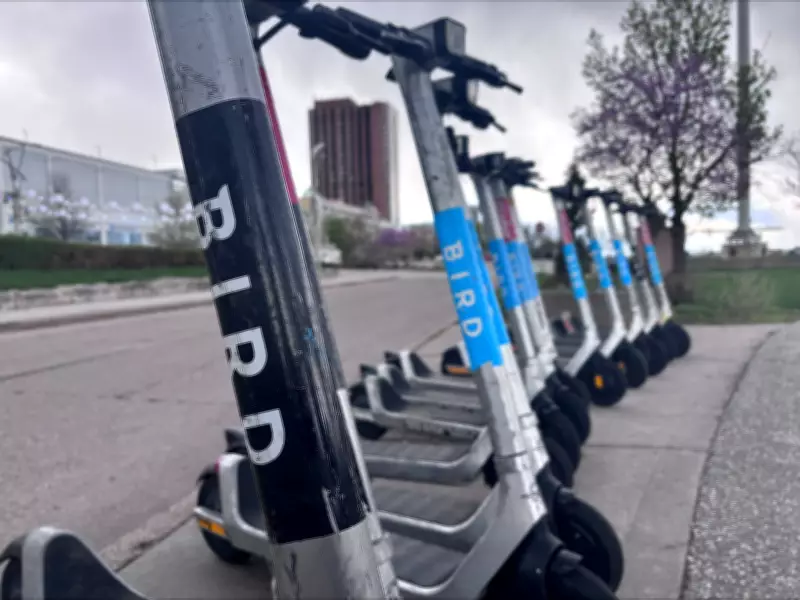
Bird Canada Optimistic About Continuing E-Scooter and E-Bike Operations in Windsor
Bird Canada has voiced hopeful sentiments regarding the ongoing operation of its e-scooter and e-bike services in Windsor. The company, a key player in the micro-mobility sector, is actively engaging with local stakeholders to ensure these sustainable transportation options remain available to residents and visitors.
Commitment to Sustainable Urban Mobility
In a recent statement, Bird Canada emphasized its dedication to providing eco-friendly alternatives for short-distance travel. The company's e-scooters and e-bikes are designed to reduce traffic congestion and lower carbon emissions, aligning with broader environmental goals. This initiative supports Windsor's efforts to promote greener transportation infrastructure, potentially enhancing the city's appeal as a forward-thinking urban center.
Local Impact and Community Engagement
The presence of Bird's services in Windsor has sparked discussions about urban planning and public safety. Local authorities are evaluating the integration of these devices into existing transit systems, considering factors such as designated parking zones and rider education programs. Bird Canada has expressed willingness to collaborate on these aspects, aiming to address any concerns while maximizing the benefits for the community.

Feedback from Windsor residents has been mixed, with some praising the convenience and accessibility of e-scooters and e-bikes, while others highlight challenges related to sidewalk clutter and safety incidents. Bird Canada acknowledges these issues and is exploring technological solutions, such as geofencing and improved rider accountability measures, to mitigate problems.
Broader Context and Future Prospects
The debate over e-scooter and e-bike operations is not unique to Windsor; many cities across Canada are grappling with similar regulatory questions. Bird Canada's experience in other municipalities could inform its approach in Windsor, potentially leading to tailored solutions that balance innovation with public welfare. The company remains optimistic that a mutually agreeable framework can be established, ensuring the long-term viability of its services.
As discussions continue, Bird Canada is monitoring developments closely, ready to adapt its strategies based on local needs and regulatory changes. The outcome in Windsor may set a precedent for how other Canadian cities manage micro-mobility services, influencing urban transportation trends nationwide.